41.7 F
Klamath Falls
Saturday, March 14, 2026
Home Blog Page 12

35 of the Best Bush Bean Varieties to Grow at Home

0

Filet Cultivars

Compared to snap beans, filet beans are slimmer, and are usually prepared whole instead of cutting into pieces.

A close up of a large wicker basket overflowing with green bush beans at a farmer's market with various other vegetables in soft focus in the background.

Also called haricot verts or French filet beans, these tend to be very tender and make excellent side dishes.

10. Beananza

‘Beananza’ was developed by Burpee to be an abundant producer of tender, stringless filet beans. Delectable seven-inch pods are dark green and fiberless.

Small plants reach just 15 inches in height, perfect for container growing – and if picked regularly, they will keep producing for far longer than other cultivars.

A close up square image of freshly harvested 'Beananza' pods set in a wooden bowl.A close up square image of freshly harvested 'Beananza' pods set in a wooden bowl.

‘Beananza’

‘Beananza’ comes to maturity in 55 days.

You can find ‘Beananza’ seeds available exclusively at Burpee.

11. Desperado

This heavy yielding cultivar may make you want to hum a classic rock tune while you’re in the garden – but ‘Desperado’ will not leave you feeling desperate for bush beans.

It will keep on giving and giving loads of delicious, dark green filet pods throughout the summer.

These slim haricot verts are five and a half inches long, straight, and have brown seeds.

Upright plants grow 12 to 15 inches tall, and have a high tolerance to mosaic virus.

A square image of freshly harvested 'Desperado' beans set on a white surface.A square image of freshly harvested 'Desperado' beans set on a white surface.

‘Desperado’

‘Desperado’ is also highly heat tolerant, and will come to maturity in 55 days.

You can find packets containing 200 seeds available at Burpee.

12. Masai

‘Masai’ is an heirloom haricot vert that’s perfect for container gardening or small spaces.

This open-pollinated French variety is disease resistant and reliable, producing slender green pods with white seeds.

‘Masai’ provides a harvest of stringless, four-inch-long “baby” filet bush beans that are tender, tasty, and easy to pick.

Small, compact plants reach 12 inches in height.

A close up of the bright green Phaseolus vulgaris 'Masai' beans set on a white surface. To the bottom right of the frame is a white circular logo with text.A close up of the bright green Phaseolus vulgaris 'Masai' beans set on a white surface. To the bottom right of the frame is a white circular logo with text.

‘Masai’

Since plants are on the small side, they are not as high yielding as some other varieties, but the tradeoff is that they make excellent potted plants.

Plants are resistant to mosaic virus, bacterial brown spot, and curly top virus.

‘Masai’ matures very early, providing a harvest in just 47 days.

You can find ‘Masai’ seeds for purchase in packets of various sizes at True Leaf Market.

13. Mascotte

If you’re looking for a filet bush bean to grow in containers or small spaces, but want pods a bit larger than the baby filets that ‘Masai’ produces, ‘Mascotte’ is an excellent choice.

A close up of a wicker basket with Phaseolus vulgaris in bright sunshine set on a wooden surface.A close up of a wicker basket with Phaseolus vulgaris in bright sunshine set on a wooden surface.

In fact, ‘Mascotte’ even won over All-America Selection judges, who awarded it the prize for best new edible variety in 2014.

‘Mascotte’ is open-pollinated, and produces abundant harvests of six-inch-long filet beans in just 50 to 55 days.

The green pods from this award winner are stringless, crunchy, and very tasty.

Compact plants grow 16 to 20 inches tall, and hold pods above their foliage, making picking easy.

Once the plants start producing, harvest every two to four days.
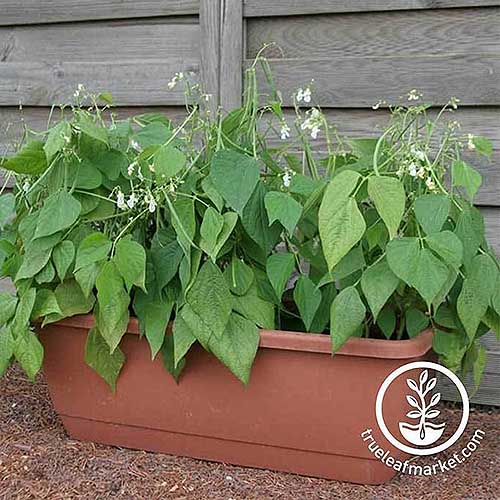
A close up of a small terra cotta rectangular container with a Phaseolus vulgaris 'Mascotte' bean plant in flower. To the bottom right of the frame is a white circular logo and text.A close up of a small terra cotta rectangular container with a Phaseolus vulgaris 'Mascotte' bean plant in flower. To the bottom right of the frame is a white circular logo and text.

‘Mascotte’

This variety also has excellent disease resistance, standing up well against anthracnose, mosaic virus, and halo blight.

You can find ‘Mascotte’ seeds for purchase at True Leaf Market, in packs of 1,000 or 10,000 seeds.

14. Maxibel

‘Maxibel is a French heirloom that comes with the advantage of performing well in cool soils.

This open-pollinated variety produces generous yields of tender, thin, filet style bush beans that are typically picked when they are six to eight inches long.

Pods have an intense flavor. They are green with dark seeds, and stringless if picked young and often.

A square image of 'Maxibel' pods set on a wooden surface.A square image of 'Maxibel' pods set on a wooden surface.

‘Maxibel’

Plants grow to 15 to 20 inches in height, and reach maturity in 65 days.

You can find seeds in a variety of packet sizes available at High Mowing Organic Seeds.

15. Triomphe de Farcy

Maybe container gardening isn’t your thing and what you really want is an early maturing filet style bush bean. If so, let me introduce you to ‘Triomphe de Farcy.’

This is an open-pollinated French heirloom – sometimes called ‘Triumph de Farcy’ – that matures early and produces an abundant and flavorful crop.

Its pods are green and sometimes streaked with purple. They are slender, crunchy, and stringless when picked young.

Pods should be picked often, when they are three to six inches in length, for best texture and flavor.

A close up square image of a pile of 'Triomphe de Farcy' pods in a wooden bowl.A close up square image of a pile of 'Triomphe de Farcy' pods in a wooden bowl.

‘Triomphe de Farcy’

Plants have general disease resistance and reach 15 to 20 inches in height. You’ll be harvesting ‘Triomphe de Farcy’ beans in just 48 days.

‘Triomphe de Farcy’ seeds can be purchased in 2-ounce packets at Burpee.

Long Podded Cultivars

To contrast with the somewhat diminutive filet cultivars, I’m now going to explore the opposite end of the bush bean spectrum – varieties with particularly long pods.

A close up of green bush beans washed but not trimmed, set on a wicker surface.A close up of green bush beans washed but not trimmed, set on a wicker surface.

While they may not be as long as Chinese long beans, these long-podded varieties can give you more bean for your buck – and still have that familiar green bean taste.

16. Big Kahuna

‘Big Kahuna’ is a bit of a paradox. It produces the largest pods of the 35 varieties presented here – yet these mammoth bush beans hang from compact plants that easily adapt to containers.

‘Big Kahuna’ produces green snaps that can reach a monster length of 11 inches, while still remaining crisp and tender and keeping their delicious, nutty flavor.

Compact plants grow to 24 inches in height.
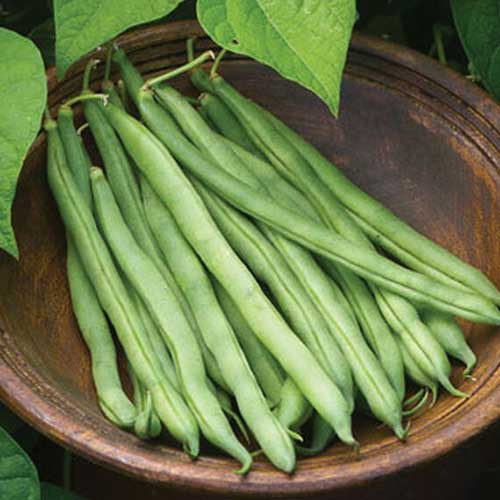
A close up of a wooden bowl containing freshly picked Phaseolus vulgaris 'Big Kahuna' pods with foliage in the background in soft focus.A close up of a wooden bowl containing freshly picked Phaseolus vulgaris 'Big Kahuna' pods with foliage in the background in soft focus.

‘Big Kahuna’

‘Big Kahuna’ will come to maturity in 57 days after planting.

You can find ‘Big Kahuna’ seeds in two and eight-ounce packets exclusively at Burpee.

17. Blue Lake 274

Brace yourself to be knocked out by this super producer. ‘Blue Lake 274’ is an open-pollinated variety that gives an extra heavy yield of long snaps.

The sweet tasting six- to eight-inch pods are green and tender.

A close up of a packet of 'Blue Lake 274' seeds with text to the left of the frame and a hand-drawn illustration to the right.A close up of a packet of 'Blue Lake 274' seeds with text to the left of the frame and a hand-drawn illustration to the right.

‘Blue Lake 274’

Plants are compact, growing to 18 inches tall, and maturing in 58 days.

You can find ‘Blue Lake 274’ seeds available at Botanical Interests.

18. Jade

In addition to its tasty, long pods, ‘Jade’ has so much going for it. This heirloom is open-pollinated and tolerant to stress, heat, and cold. It is also disease resistant and very productive.

‘Jade’ produces slender, seven-inch-long, dark green pods that are straight, crisp, and tender – and enclose pale green seeds.

This is a popular variety among gardeners, with an excellent flavor and texture that holds up beautifully to canning.

Although plants are resistant to cool temperatures, like most other beans, they require warm soils for the best rates of germination.

A close up of the fresh green Phaseolus vulgaris 'Jade' beans.A close up of the fresh green Phaseolus vulgaris 'Jade' beans.

‘Jade’

Plants are strong and upright with beans held off the ground, making picking easy.

‘Jade’ is resistant to bean mosaic virus, curly top virus, bacterial brown spot, and rust.

This variety reaches maturity in 57 days.

You can find ‘Jade’ seeds available at High Mowing Organic Seeds.

19. Kentucky Wonder 125

If ‘Jade’ sounds great but you just can’t wait 57 days, how about an earlier maturing variety for your crop of long-podded snap beans?

‘Kentucky Wonder 125’ is an open-pollinated heirloom that will give you an early and prolific harvest in just 48 to 50 days.

A close up square image of freshly harvested 'Kentucky Wonder 125' beans set on the ground outside.A close up square image of freshly harvested 'Kentucky Wonder 125' beans set on the ground outside.

‘Kentucky Wonder 125’

Pods are seven to eight inches long and flat, with a medium green color and white seeds. These long snaps are tasty and they have a meaty texture.

Plants grow to 16 inches tall and are resistant to mosaic virus and Northern leaf blight.

You can find ‘Kentucky Wonder 125’ seeds at Eden Brothers.

20. Top Crop

‘Top Crop’ is an early, low maintenance heirloom that won the All-America Selections Gold Medal in the edible category in 1950.

Also known as ‘Topcrop,’ this open-pollinated variety produces heavy yields of seven-inch-long straight pods.

Medium green pods are fiberless with a meaty texture, and very tasty.

‘Top Crop’ is a great all-purpose bush bean, making for delicious fresh eating, but also holding up beautifully to canning and freezing.

A square image of 'Top Crop' beans in a big pile. To the bottom right of the frame is a white circular logo with text.A square image of 'Top Crop' beans in a big pile. To the bottom right of the frame is a white circular logo with text.

‘Top Crop’

Vigorous plants grow to 15 to 18 inches tall and are resistant to mosaic virus.

An early maturing bush bean, ‘Top Crop’ will be ready to harvest in just 52 days.

You can find ‘Top Crop’ seeds in a wide range of packet sizes available at True Leaf Market.

Yellow Podded Cultivars

We’re now stepping away from green bush beans for a while to consider some yellow podded varieties.

A close up of a Phaseolus vulgaris bush with yellow beans surrounded by foliage pictured in bright sunshine on a soft focus background.A close up of a Phaseolus vulgaris bush with yellow beans surrounded by foliage pictured in bright sunshine on a soft focus background.

Commonly called “wax beans,” the yellow pods of these cultivars are easy to spot on green plants and keep their yellow coloring when cooked.

21. Cherokee Wax

Also known as ‘Cherokee,’ this heirloom open-pollinated variety was an All-America Selections Winner in 1948.

It was developed at Clemson University in South Carolina and is well-loved for its productivity and vigor, as well as its delicious, stringless wax beans.

Pods are colored light yellow with black seeds, and reach five to six inches in length.

They are tasty, nutty, and tender, retaining their stringless quality even when mature.

‘Cherokee Wax’ makes for excellent fresh eating, but also cans and freezes well.

A close up top down picture of Phaseolus vulgaris 'Cherokee Wax' pods set on a wooden surface pictured in bright sunshine.A close up top down picture of Phaseolus vulgaris 'Cherokee Wax' pods set on a wooden surface pictured in bright sunshine.

‘Cherokee Wax’

Plants grow to 24 inches tall and can become somewhat viney, so make sure you give them enough room to sprawl.

‘Cherokee Wax’ is resistant to mosaic virus and comes to maturity in 58 days.

You can find ‘Cherokee Wax’ seeds at Eden Brothers.

22. Gold Mine

‘Gold Mine’ is an early maturing wax variety that grows in clusters, making picking even easier.

This open-pollinated cultivar produces heavy yields of smooth, straight yellow snaps that hold white seeds.

Pods are five to six inches long, sweet, crisp, and delicious whether eaten fresh or frozen.

Plants are upright and compact, reaching 15 to 20 inches in height.

‘Gold Mine’ is resistant to bacterial brown spot, mosaic virus, and halo blight.

A close up of a pile 'Gold Mine' bush beans freshly harvested and put in a metal dish, set on a wooden table.A close up of a pile 'Gold Mine' bush beans freshly harvested and put in a metal dish, set on a wooden table.

‘Gold Mine’

You’ll be ready to harvest your ‘Gold Mine’ crop in 55 days after planting.

You can find ‘Gold Mine’ seeds in a variety of packet sizes available at Burpee.

23. Gold Rush Wax

‘Gold Rush Wax’ is an open-pollinated reliable grower whose beans hold well in the garden – and in the fridge.

This cultivar produces high yields of slender, straight pods that mature in 54 days.

Light yellow pods are five and a half inches long, crisp, and tasty.
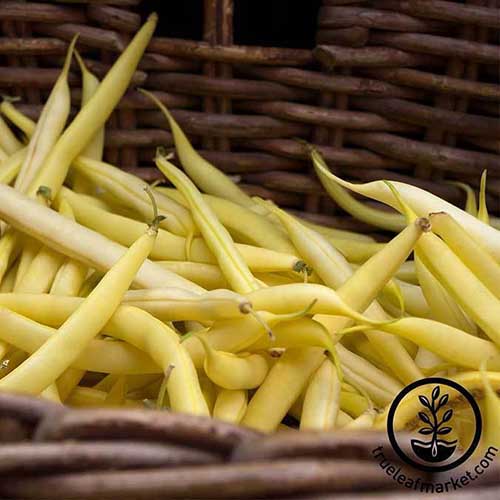
A close up of freshly picked Phaseolus vulgaris 'Gold Rush Wax' in a wicker basket. To the bottom right of the frame is a black circular logo and text.A close up of freshly picked Phaseolus vulgaris 'Gold Rush Wax' in a wicker basket. To the bottom right of the frame is a black circular logo and text.

‘Gold Rush Wax’

Plants grow to 16 to 20 inches tall and are resistant to mosaic virus, curly top virus, root rot, and bacterial brown spot.

You can find ‘Gold Rush Wax’ seeds for purchase in a variety of packet sizes at True Leaf Market.

24. Golden Wax

‘Golden Wax’ is a productive, stringless wax bush bean that is also early to mature – ready to harvest in just 50 days.

This open-pollinated variety produces bright yellow snaps that grow to four to five inches in length, and have a tasty, buttery flavor.

Plants have an upright habit and reach 16 to 18 inches tall with a minimal spread, ideal for container gardening.

A close up square image of a pile of 'Golden Wax' pods in a wooden bowl set on a wooden table.A close up square image of a pile of 'Golden Wax' pods in a wooden bowl set on a wooden table.

‘Golden Wax’

‘Golden Wax’ is resistant to mosaic virus and rust.

You can find ‘Golden Wax’ seeds in an assortment of packet sizes available at Eden Brothers.

25. Pencil Pod Wax

Here’s an heirloom that’s been proving itself since 1900. ‘Pencil Pod Wax’ is a heavy producer that’s early maturing and disease resistant.

This open-pollinated variety produces abundant harvests of straight pods that reach five to seven inches in length.

‘Pencil Pod Wax’ is known for its tasty yellow snaps that are stringless and tender. They contain black seeds.

Plants reach 20 inches in height, and are resistant to mosaic virus and powdery mildew.

A square image of 'Pencil Pod' beans in a wooden tray.A square image of 'Pencil Pod' beans in a wooden tray.

‘Pencil Pod Wax’

‘Pencil Pod Wax’ will give you your first of multiple crops in 52 days.

You can find ‘Pencil Pod Wax’ seeds for purchase in a variety of packet sizes at Eden Brothers.

Purple Podded Cultivars

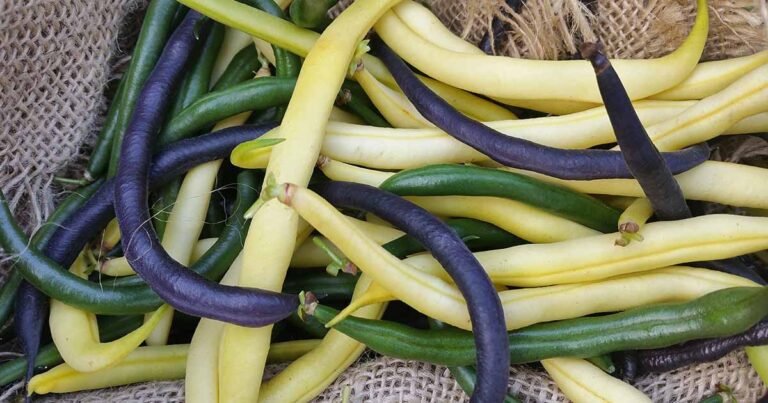
If you like the idea of adding some unexpected color to your garden, purple-podded bush beans are a wonderful addition, both as an edible and an ornamental option.

A close up of a hand from the right of the frame holding a handful of purple bush beans in the bright sunshine on a soft focus background.A close up of a hand from the right of the frame holding a handful of purple bush beans in the bright sunshine on a soft focus background.

These plants have lovely purple flowers as well.

Just like wax beans, purple podded bush beans stand out from their green foliage, making them easier to see for picking.

And while your harvest will be purple hued, when cooked these beans turn green.

26. Amethyst

‘Amethyst’ is an open-pollinated variety that produces attractive filet style bush beans that are tasty both raw and cooked.

A close up of a terra cotta bowl with purple beans that have been washed but not trimmed set on a dark wooden surface. To the right of the bowl is dark green foliage.A close up of a terra cotta bowl with purple beans that have been washed but not trimmed set on a dark wooden surface. To the right of the bowl is dark green foliage.

Flavorful purple pods are five to five and a half inches long, thin, straight, and stringless, and they hold tan seeds.

Plants are upright, medium sized, and have excellent resistance to mosaic virus.

‘Amethyst’ reaches maturity in 56 days.

27. Purple Queen

‘Purple Queen’ has a combination of some of the best characteristics of all the bush beans in this list – it’s stringless, early maturing, productive, and disease resistant.

Add to that impressive resume the fact that it’s a beautiful deep purple hue, and you may find this royal cultivar irresistible.

‘Purple Queen’ is an open-pollinated heirloom that produces tender, seven-inch-long snaps with a nice beany taste.

A square image of a wooden bowl filled with 'Purple Queen' pods.A square image of a wooden bowl filled with 'Purple Queen' pods.

‘Purple Queen’

Plants grow to 15 to 20 inches in height, have good general disease resistance, and are tolerant of cooler weather.

‘Purple Queen’ will be ready to harvest in just 52 days after planting.

You can find ‘Purple Queen’ seeds for purchase in 2-ounce packets available at Burpee.

28. Purple Teepee

Despite its name, which might suggest a climber, ‘Purple Teepee’ is a bush variety.

A close up of purple bush beans growing in the garden, surrounded by foliage on a soft focus background.A close up of purple bush beans growing in the garden, surrounded by foliage on a soft focus background.

Open pollinated, it produces straight, slender, stringless snaps that are held above the plant for easy picking.

The violet-colored pods should be picked at four to five inches long for the best flavor and texture.

Highly productive plants reach 18 inches in height and come to maturity in 60 days.

29. Royal Burgundy

Living up to its lofty name, ‘Royal Burgundy’ is an overachiever. It has incredible disease and insect resistance, and is even able to germinate in cool soil.

An open-pollinated heirloom introduced in 1976, this cultivar also goes by the names ‘Royal Purple Burgundy,’ ‘Royal Purple Pod,’ and ‘Royal Purple Podded.’

This is an excellent variety for gardeners dealing with cool spring or early summer temperatures, to which it is very tolerant.

Deep purple pods should be harvested at five inches or smaller, when they will be the most tender.

A square image of a pile of 'Royal Burgundy' beans set on a yellow plate on a wooden surface.A square image of a pile of 'Royal Burgundy' beans set on a yellow plate on a wooden surface.

‘Royal Burgundy’

Theses snaps contain tan seeds and they have a mild taste. Plants are dark green with purple tinted stems and petioles, reaching 24 inches in height.

‘Royal Burgundy’ stands up well to Mexican bean beetles, and has good resistance to mosaic virus, powdery mildew, and white mold.

You’ll be gathering your harvest from this regal plant in 50 days.

You can find ‘Royal Burgundy’ seeds available at High Mowing Organic Seeds.

30. Velour

Have you been waiting for a purple podded variety to grow in containers? ‘Velour’ is your bean!

‘Velour’ is an open-pollinated, heavy producer of four- to five-inch-long, stringless filet bush beans.

A close up of purple Phaseolus vulgaris recently picked from the bush with foliage to the side.A close up of purple Phaseolus vulgaris recently picked from the bush with foliage to the side.

Pods are straight and slender, with a beautiful royal purple color and beige seeds.

These extra fine filet beans have a rich flavor and are excellent for eating fresh or freezing.

Plants are upright, medium sized, and compact, ideal for container gardens.

‘Velour’ has high resistance to both mosaic virus and halo blight, and reaches maturity in 55 days.
Romano Varieties

Tuna Melt

0

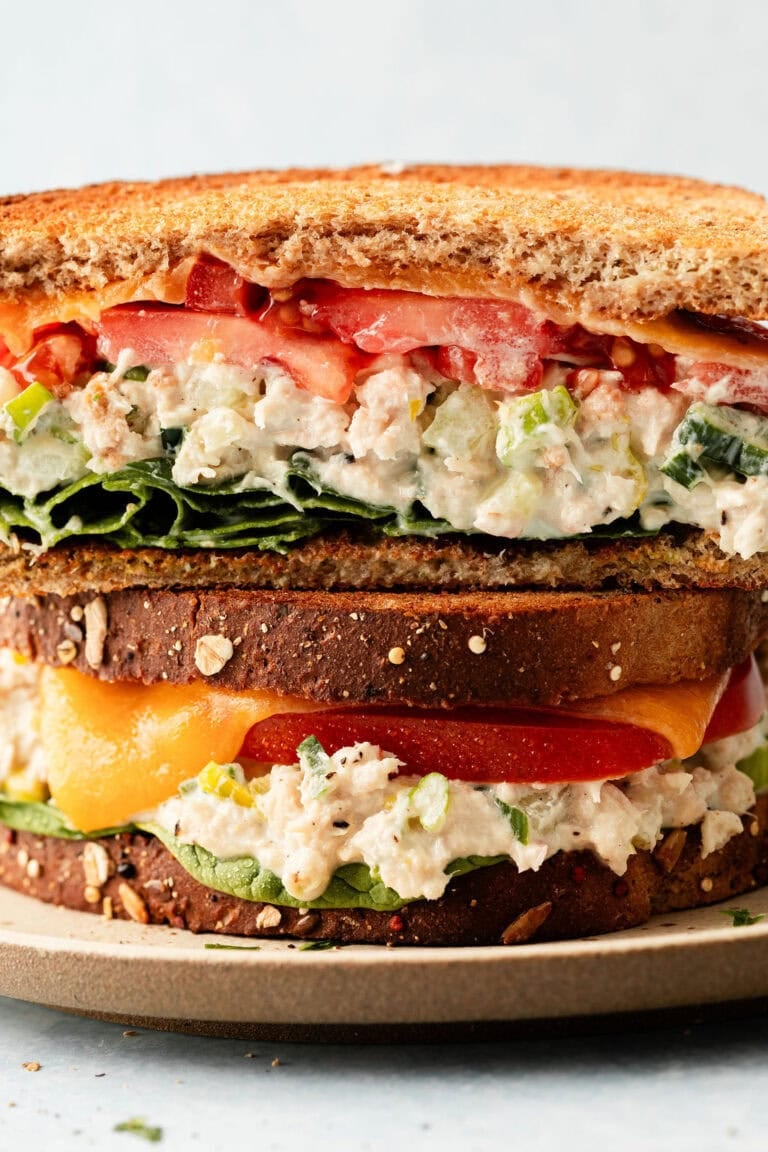
Close up view of two stacked tuna melt sandwiches.This easy tuna melt recipe is ready in 10 minutes, budget-friendly, and a satisfying meal the whole family will love. It pairs perfectly with soup and salad.

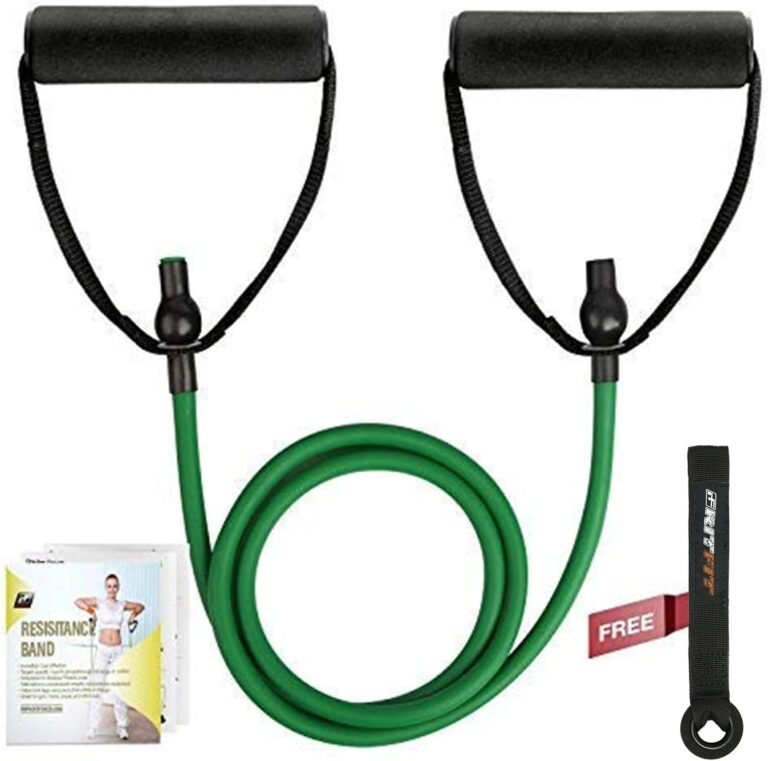
RitFit Single Resistance Exercise Band with Comfortable Handles – Ideal for Physical Therapy, Strength Training, Muscle Toning – Foam Padding Door Anchor and Starter Guide Included

0


Price: $9.98
(as of Feb 17, 2026 20:22:06 UTC – Details)


High Quality Latex Resistance Tube: The fitness tubes are made of natural latex that is stackable, non-irritant and odor free, thereby being an excellent choice for your health, fitness and performance. RitFit Resistance Bands with handles: Length of 4ft.
Door Anchor: 3-inch door anchor utilizes dense but soft foam, it can secure your bands at all points, even if there is a sizeable space at the top and bottom of the door. This feature greatly increases the number of exercises that you can perform.
Cushioned Foam Handles: The handles are made of non-slip and environmental materials. Comfortable handles will definitely make you enjoy the resistance bands working out.
Multi-functions: Perfect for physical therapy, exercise, weight loss, Pilates, muscle toning, muscle strengthening, stretching, rehabilitation, and general health and fitness. RitFit resistance bands are great for home workout, gym use, offices, and are ideal for travel.
RITFIT is a responsible & reliable American company that provides various sports accessories.Start from the time you order it, you’re our lifetime customer. You’ll enjoy the hassle-free refund service and excellent after-sale service etc. ORDER IT NOW!!

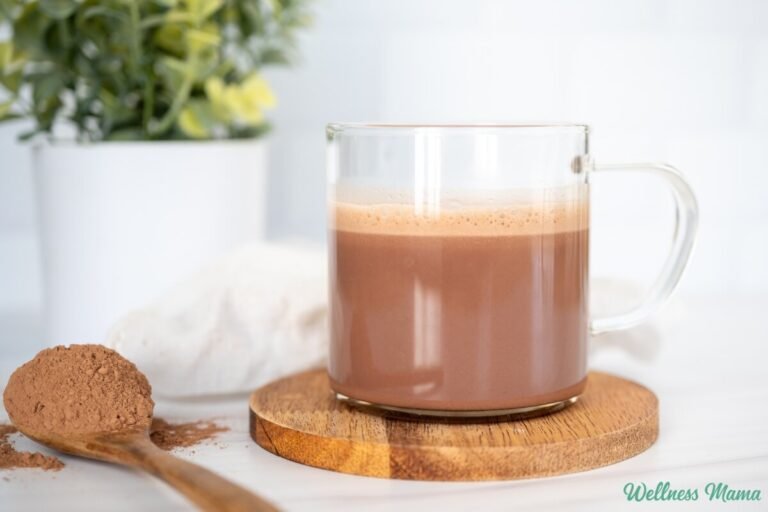
Homemade Healthy Hot Chocolate

0

We don’t get much snow since we moved (or any!), but back in the day the kids loved playing outside for hours when it snowed. There’s something almost sacred about coming in from the cold to a mug of steaming cocoa topped with whipped cream. However, I wanted to find an alternative to conventional hot cocoa mix loaded with refined sugar and powdered milk.

So I set out to create a healthy, simple, and completely homemade version that tastes even richer than what I grew up with. This isn’t just another hot chocolate mix recipe, it’s real food comfort in a mug. And once you know how to make good hot chocolate, the packets just don’t taste the same. 

Thanks to this recipe, I’m always happy to oblige when my kids ask for cocoa after hours outside. It’s become our version of the classic childhood ritual. And this one is made with nourishing hot chocolate ingredients I feel good about serving.

The Best Hot Chocolate Recipe (Option for Dairy Free)

This hot chocolate combines cocoa powder, healthy fats, warming spices, and natural sweeteners for a cozy cup of cocoa. You can use organic whole milk for a traditional richness, or swap in coconut or almond milk for a dairy-free version. Coconut milk is higher in fat to make it even creamier. Gelatin helps thicken and adds hair, nail, and gut health benefits.

Instead of refined white or brown sugar, I prefer maple syrup or honey. They add natural sweetness, minerals, and antioxidants.  A pinch of sea salt enhances the chocolate flavor, and a splash of vanilla extract rounds everything out beautifully. Sometimes I’ll shave in a bit of dark chocolate for extra richness, but this recipe works perfectly with cocoa powder and is delicious, no chocolate chips required.

The secret to good hot chocolate is quality chocolate and healthy fats. Adding butter or coconut oil creates that velvety texture most people associate with melted milk chocolate, without the processed ingredients. And if you need to avoid dairy, coconut milk or coconut oil still adds enough fat to recreate the right texture. 

Customizations and Easy Shortcuts

This recipe is incredibly flexible. Prefer it sweeter? Add a touch more maple syrup or raw honey. Want it ultra-rich? Stir in a little chopped dark chocolate at the end. For a classic finish, top with real-food whipped cream.

If you grew up on instant packets, this will taste deeper and more complex thanks to real cocoa powder, healthy fats, and that pinch of sea salt. Sea salt helps balance out the sweetness and it reduces any bitterness in the cocoa. Learning how to make good hot chocolate is surprisingly simple. 

This can be easily customized to your preferences and I’d love to hear your variations in the comments. I love adding a dash of cayenne for a spicy version or some frozen raspberries for berry hot cocoa. This hazelnut hot chocolate recipe is also a family favorite.

Optionally you can also add in some anti-inflammatory turmeric, hormone balancing maca root, or antimicrobial cinnamon. Cinnamon also makes it taste like Mexican hot chocolate. Homemade marshmallows with honey and gelatin are also a family favorite!

Whether you’re making it for a crowd or just yourself, treat yourself (and family!) to some of this nourishing, healthy hot chocolate.

Healthy Hot Chocolate Recipe

This delicious real food hot chocolate recipe combines cocoa powder, healthy fats, and natural sweeteners for a satisfying and healthy drink.

Optional Additions

  • ½-1 tsp maca powder (optional)
  • ¼ tsp turmeric (optional)
  • ½ tsp cinnamon (optional)
  • splash of cream or coconut cream for richness (optional)
  • Add all ingredients to a blender and blend until smooth.

  • Pour into a small saucepan and warm gently over medium heat while stirring. Don’t boil.

  • Taste and adjust sweetness or spices.

  • Pour into a mug and enjoy warm.

Nutrition Facts

Healthy Hot Chocolate Recipe

Amount Per Serving (1 cup)

Calories 241
Calories from Fat 144

% Daily Value*

Fat 16g25%

Saturated Fat 8g50%

Trans Fat 0.5g

Polyunsaturated Fat 2g

Monounsaturated Fat 5g

Cholesterol 30mg10%

Sodium 477mg21%

Potassium 276mg8%

Carbohydrates 16g5%

Fiber 6g25%

Sugar 6g7%

Protein 13g26%

Vitamin A 353IU7%

Vitamin C 1mg1%

Calcium 361mg36%

Iron 2mg11%

* Percent Daily Values are based on a 2000 calorie diet.

Try topping it with whipped cream, coconut cream, or a few marshmallows.

Cocoa For a Crowd

You can make a single serving of cocoa in just two minutes in the blender, or easily scale it. It also adapts well to a Crock Pot if you’re making this for a crowd. Just multiply the ingredients, whisk well, and keep warm until ready to serve. It’s perfect for kids, holiday gatherings, or family night.  

If you want to make a gallon for a crowd here are the adjusted amounts:

  • 13 cups milk
  • 1 cup cocoa powder
  • 1 cup gelatin
  • 3/4 cup butter or coconut oil
  • 1/4-1/2 cup maple syrup or honey (to taste)
  • 3 TBSP vanilla extract
  • 1/8 tsp salt
  • 3-6 TBSP maca powder (optional)
  • 3 tsp turmeric (optional)
  • 3 TBSP cinnamon (optional)

No time to make cocoa from scratch? I like using this Organifi Gold chocolate powder to make healthy and delicious hot chocolate! And these healthy marshmallows work well too. 

What’s your favorite warm drink on cold days? Leave a comment and let us know!

The Walsh’s Demonstration Garden in Ontario, Part 2

0

Hi GPODers!

We have returned to Simcoe, Ontario, Canada today to enjoy more incredible plants and pairings in the garden of Linda and Terry Walsh. We enjoyed a sensational assortment of photos from their large and lively garden yesterday (Check out Part 1, if you missed it), and we’re back today to see more of the fabulous plant selections that make their “demonstration garden” a special place to visit.

As mentioned earlier we have lived here for about 40 years and have been gardening extensively for the last 20 years. We have become a ‘Demonstration Garden” as people often want to know what plants look like full size and also wish to get landscaping ideas. We are open by appointment from June to September; it is a great way to meet fellow gardeners. Several years ago we put in electric gates which we designed with the Tree of Life in the centre. We are situated about 1000 feet from the road so the gates are not only security but do let people know when we are not available. We have over 175 rhododendrons, 50 + flowering dogwoods, hydrangeas, azaleas, viburnums, redbuds, Japanese maples, tulip trees, sassafras, paw paw and many other native trees. Children of all ages enjoy our koi pond, peacocks and border collies. We also grow organic brandy wine raspberries in our spare time, along with dahlias and numerous perennials.

White Catawba rhododendron (Rhododendron ‘Catawbiense Album’Zones 4–8) with a cutleaf Japanese maple (Acer palmatum var. dissectum, Zones 5–9)

tree covered in white flowersFlowering dogwood (Cornus florida, Zones 5–9) in full bloom at entrance

red flowering crabappleMore fabulous flowering trees putting on colorful displays.

bright red Japanese mapleOne of many Japanese maples, not sure of the variety as it may be a cross of the many maples here.

plate of Brandywine raspberriesBrandywine raspberries (Rubus idaeus ‘Brandywine’Zones 4–8) that we planted years ago for our son who wanted a part time job.

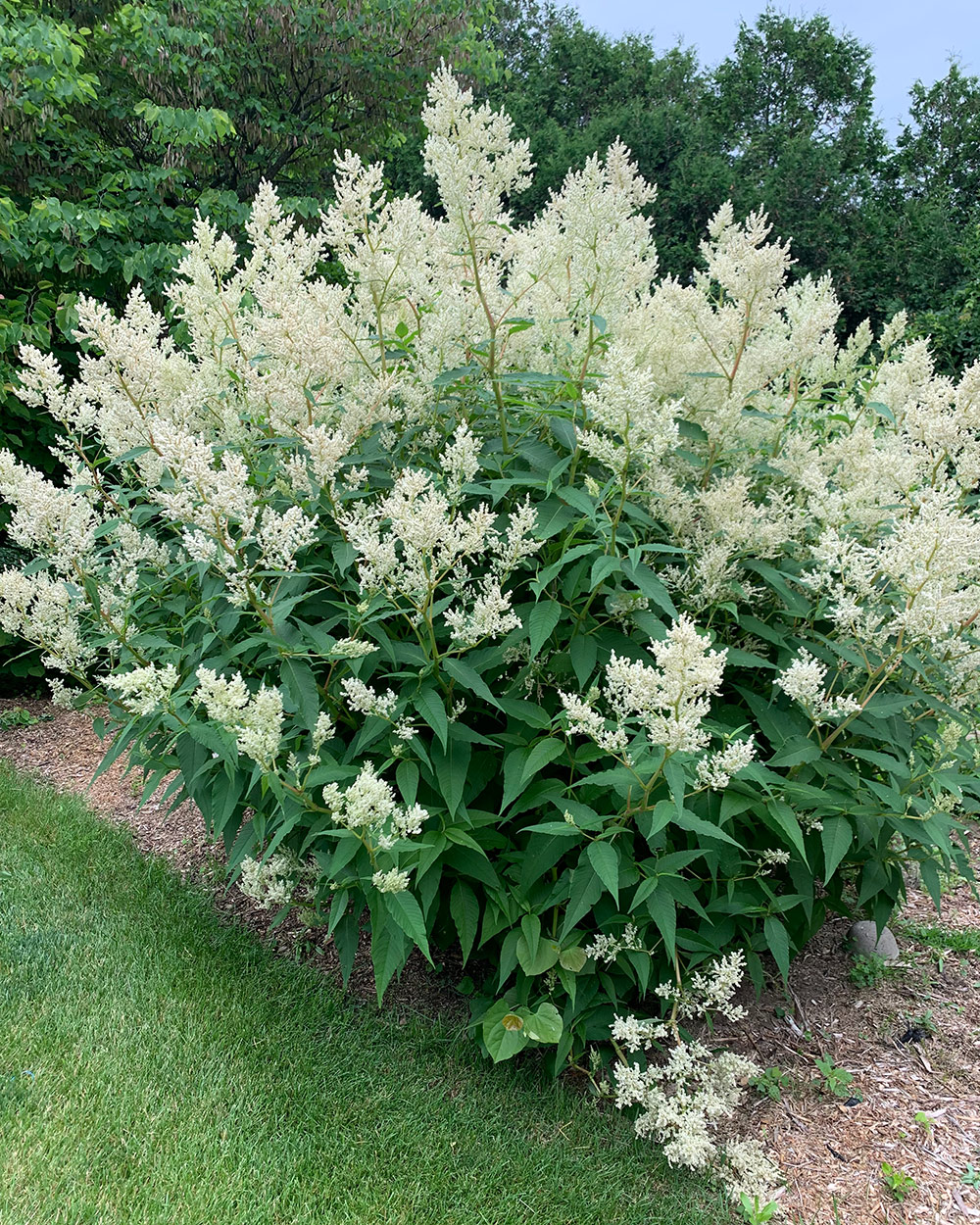
Giant Fleece FlowerGiant fleece flower (Persicaria polymorpha, Zones 4–9)

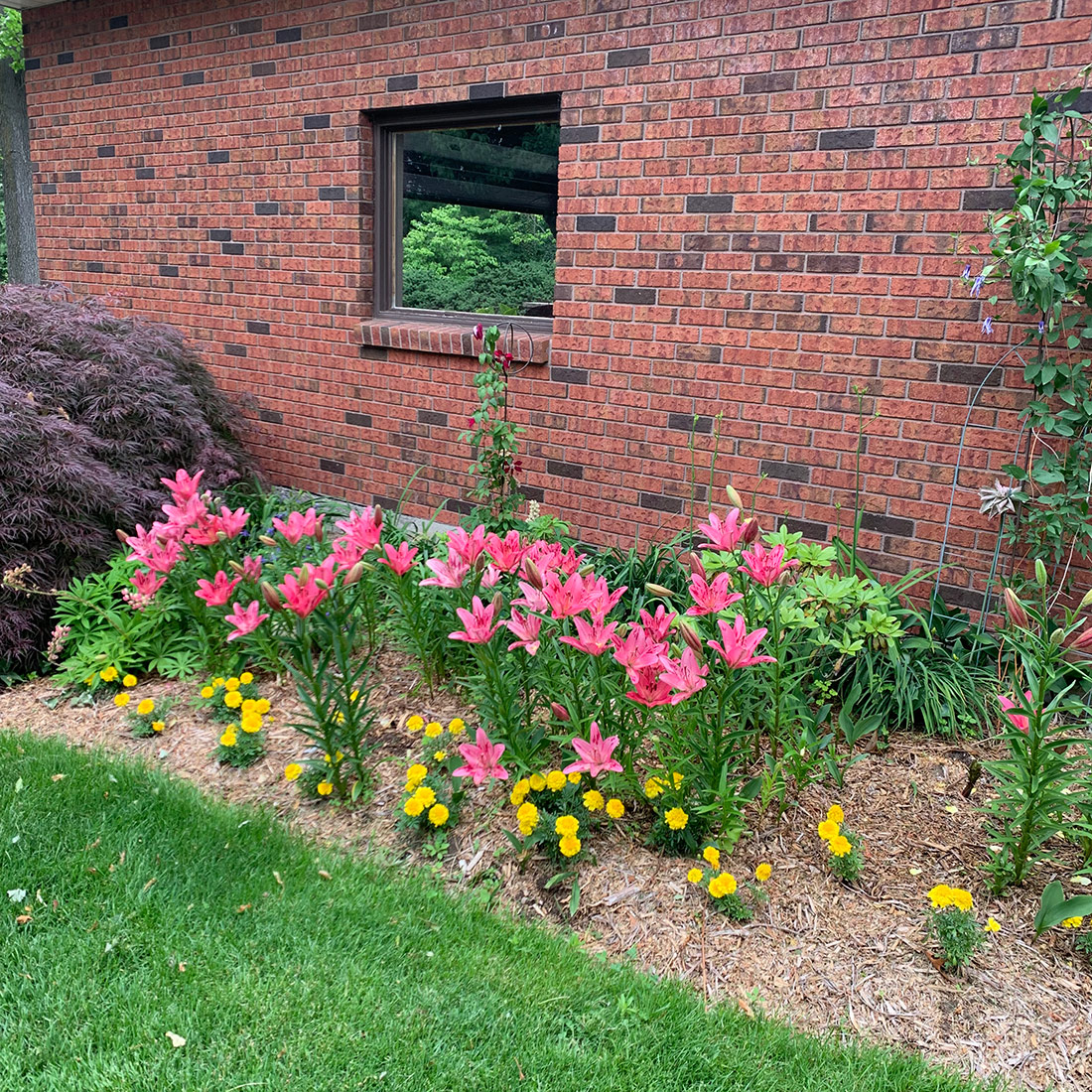
Border of pink lilies and yellow marigoldsBorder of lilies and marigolds

Thank you so much for this fantastic update on your garden, Linda! I can only image the lucky visitors walk away with endless planting ideas and inspiration.

How do you share your garden with others? Do you open your space to the masses on local garden tours, or do you keep your oasis a private retreat for only close friends and family? Let us know in the comments below, or consider sharing your space with our community by sending in photos to the blog. Follow the NEW directions below to submit your photos to Garden Photo of the Day!


We want to see YOUR garden!

Have photos to share? We’d love to see your garden, a particular collection of plants you love, or a wonderful garden you had the chance to visit!

To submit, fill out the Garden Photo of the Day Submission Form.

You can also send 5–10 photos to [email protected] along with some information about the plants in the pictures and where you took the photos. We’d love to hear where you are located, how long you’ve been gardening, successes you are proud of, failures you learned from, hopes for the future, favorite plants, or funny stories from your garden.

Do you receive the GPOD by email yet? Sign up here

SERIOUS STEEL FITNESS Assisted 41″ Pull-Up Band, Resistance & Stretch, Powerlifting & Pull-up Assist Loop (Single Band)

0


Price: $12.90 - $11.90
(as of Feb 17, 2026 08:15:52 UTC – Details)


Sale is for a SINGLE BAND. We offer six different size bands that have tensions ranging from 5 lbs. to 150 lbs. Bands are perfect for any users from beginner to professional athlete. Whether it is mobility training or powerlifting – Serious Steel bands have been the #1 trusted bands on Amazon for over 10 years. Often Imitated, Never Duplicated.
YOU ARE CURRENTLY VIEWING OUR #0 (ORANGE) Micro BAND. This band measures 1/4” wide, 4.5 mm thick and 41” in length. It offers resistance from 2-15 lbs. This band provides our lowest level of resistance and is great for light stretching, high-performance speed training and sports specific training. It is also great when combined with our other size bands for that little extra tension.
PULL-UPS: Serious Steel Bands are a perfect tool to help you with your pull ups, dips or muscle-ups. Take a quick look at the Pull-Up Guide image to your left to get an idea of the best band for you. Choose a band based on your bodyweight and the current number of unassisted repetitions you can complete.
MULTIPLE BANDS: Do you think you need a #4 band, but concerned it may be too much tension? You can purchase multiple smaller bands to equal the tension of heavier bands. Try the #2 & #3 instead of the #5 or try the #3 & #1 instead of the #4 band. Combining multiple sizes gives you more levels of tension because you can use them individually or you can use them at the same time.
ALL ABOUT THE LAYERS: Serious Steel bands have stood the test of time. Our bands are 15-continuous layers made from a single piece of natural latex. The individual layers make Serious Steel bands up to 5X stronger than molded bands and 2X stronger than other “layered” bands. Does not include colored storage rubber bands.

Weightlifting Belt For Men and Women – 6 Inch Auto-Lock Weight Lifting Back Support, Workout Back Support for Lifting, Fitness, Cross Training and Powerlifitng

0


Price: $34.95
(as of Feb 16, 2026 20:15:10 UTC – Details)


Premium Weightlifting Belt with Anatomical Contoured Design
Our newest weight lifting belt features a 6” contoured design to specifically increase lumbar support and abdominal pressure while increasing freedom of movement. The reinforced back support and wider ends increase performance and comfort like no other belts on the market. The anatomical fit results in better performance and greater range of motion to fit all your lifting needs. Add to this our auto-lock security and durable construction and you get the best bang for your buck fitness belt you will ever purchase.
Who Can Benefit From a Weight Lifting Belt?
Lifting belts increase intra-abdominal pressure. Increasing pressure to your core through our workout belt will make you feel safer and increase core stability giving you much more power lifting heavy weights. If a lifter is squatting heavy or pulling big, a belt will increase performance on those lifts.
Main Features:
-6” Anatomical Contoured Design
-4″ Wide Velcro Strap
-Auto-Lock Roller Buckle
-Double Stitching Construction
-Lightweight and Ultra Durable
Fit Guide
Measure with your clothing around the area the belt will be worn (NOT pants waist size). Pull tape tight for best measurement.
-Small:25-30″
-Medium: 30-35″
-Large: 35-40″
-X-Large: 40-45″
-XX-Large: 45-50″

5 Star Experience
Built tough for your workouts, our premium 6” lifting belt is durable, offers extreme support, effective and fully portable, will last many years of usage and give you the results you want. We’re so confident that you’ll absolutely love our lifting belts that if somehow you aren’t 100% satisfied, just contact us and we’ll take them back for a full refund!
Click on the Yellow “Add to Cart” button above Now to MAXIMIZE your workouts and experience the RESULTS you deserve.
100% Nylon
PREMIUM BACK SUPPORT: Protect your back with our premium 6” nylon weightlifting belt. Our weight belt offers a reinforced back area with a full 4” wide Velcro strap for a perfect, secure fit. Our back belt offers great support and top stability to the lower back and abdominal. It is a must have for heavy squats, deadlifts, rows, and more!
PERFECT ANATOMICAL FIT – Our contoured and tapered design offers a 6” wide front and rear area providing optimal support for the back and stomach section. The narrower areas on the sides increase comfort and freedom of movement during any type of workout resulting in maximum protection and comfort!
AUTO-LOCK FASTENING TECHNOLOGY: Our weight lifting belt features the best fastening roller buckle system you will find on the market. It works just like a ratchet fastener. It is the most simple and effective way to secure a weightlifting belt, super reliable to use and will never fail under heavy pressure. Our Auto-Lock design will allow you to secure your waist, boost your confidence and improve performance! New PR’s are just around the corner!
COMFORTABLE & ULTRA LIGHT – Our top-quality neoprene build and top layer mesh fabric makes the belt very comfortable to wear and ultra-breathable. Our fitness belt is designed to support your back while providing you the mobility to perform multiple exercises.
SIZING CHART: Please use sizing chart in listing images to order the correct size. You need to measure your true waist size with a flexible tape and NOT order by pants size. Select a size smaller if you’re in between sizes.

Cooking Burnout Club Meal Plan 5

0

If you’ve ever stood in your kitchen at 5:30 p.m. with zero energy and zero ideas, Cooking Burnout Club is for you.

I created these meal plans because dinner shouldn’t feel like a daily crisis. The goal isn’t perfection or complicated recipes. The goal is peace of mind. Fewer decisions. Minimal chopping. Simple ingredients. Meals that are quick, easy, and actually delicious, or they don’t make the cut.

Four recipes for meal plan: mediterranean shrimp, lasagna soup, buffalo chicken rice bowl, mexican rice and beansFour recipes for meal plan: mediterranean shrimp, lasagna soup, buffalo chicken rice bowl, mexican rice and beans

Meal Plan 5 is built exactly that way. Every recipe is designed to keep effort low while still delivering flavor that feels worth it.

This post contains affiliate links. As an amazon associate I earn from qualifying purchases. Click here to read my policy and more about affiliate links.

Here’s what we are making this week

Ladle filled with chicken lasagna soup being lifted from the pot.Ladle filled with chicken lasagna soup being lifted from the pot.

Easy Lasagna Soup with Ground Chicken

This lasagna soup is a one-pot dinner made with ground chicken, pasta, marinara, and cottage cheese for a creamy texture. It comes together in about 20 minutes using simple ingredients and minimal prep.

Check out this recipe

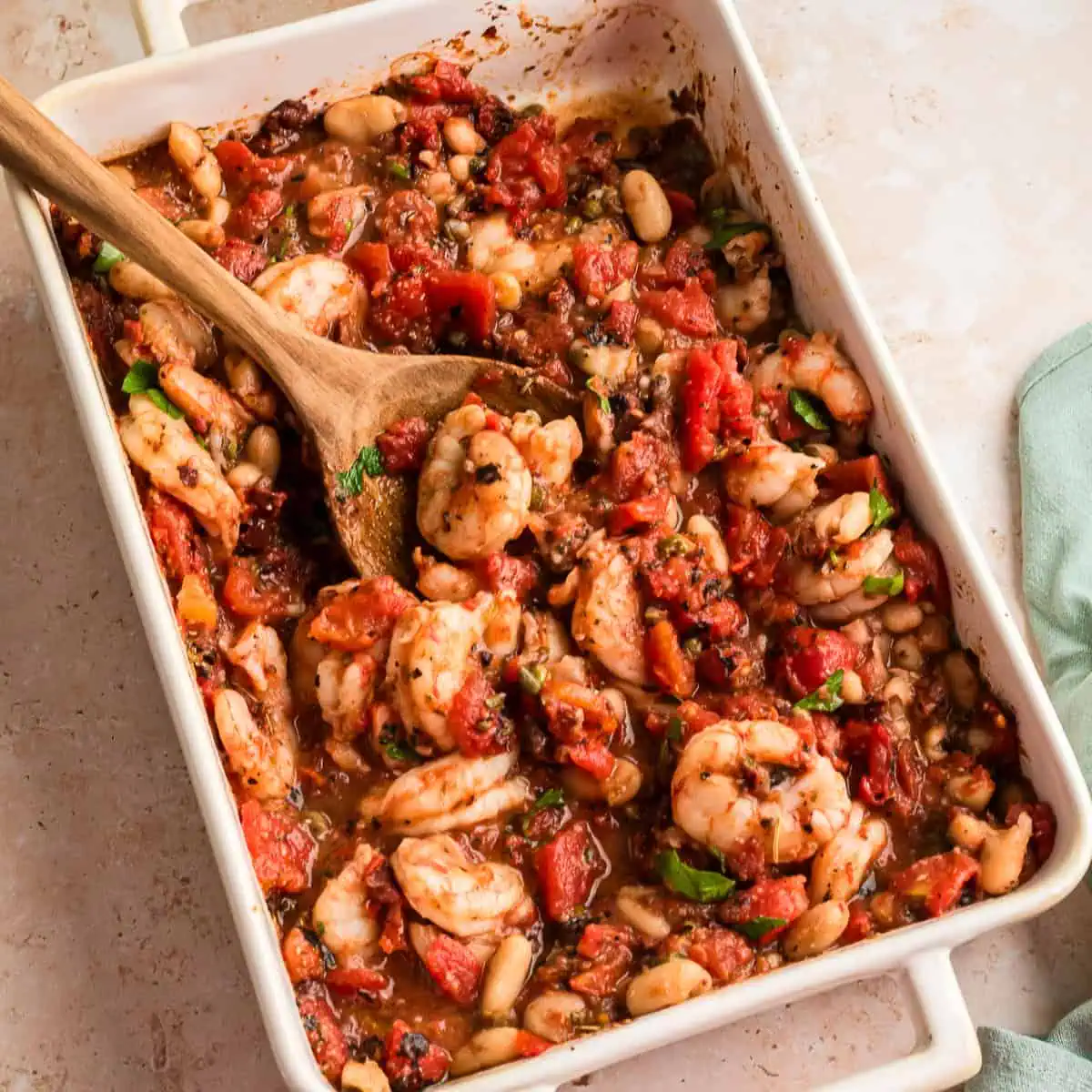
Casserole dish filled with Mediterranean Shrimp, spoon resting in the dish.Casserole dish filled with Mediterranean Shrimp, spoon resting in the dish.

Mediterranean Shrimp Recipe (Ready in 20 Minutes)

This Mediterranean shrimp recipe is a one-pot, baked dinner made with shrimp, olives, sun-dried tomatoes, white beans, and tomatoes. Everything cooks together in the oven for an easy, low-effort meal.

Check out this recipe

White bowl filled with buffalo chicken and rice.White bowl filled with buffalo chicken and rice.

Buffalo Chicken Rice Bowl

Follow the recipe as written, except instead of chopping celery and carrots, heat up frozen carrots and peas! Don’t forget to add some ranch dressing on top!

Check out this recipe

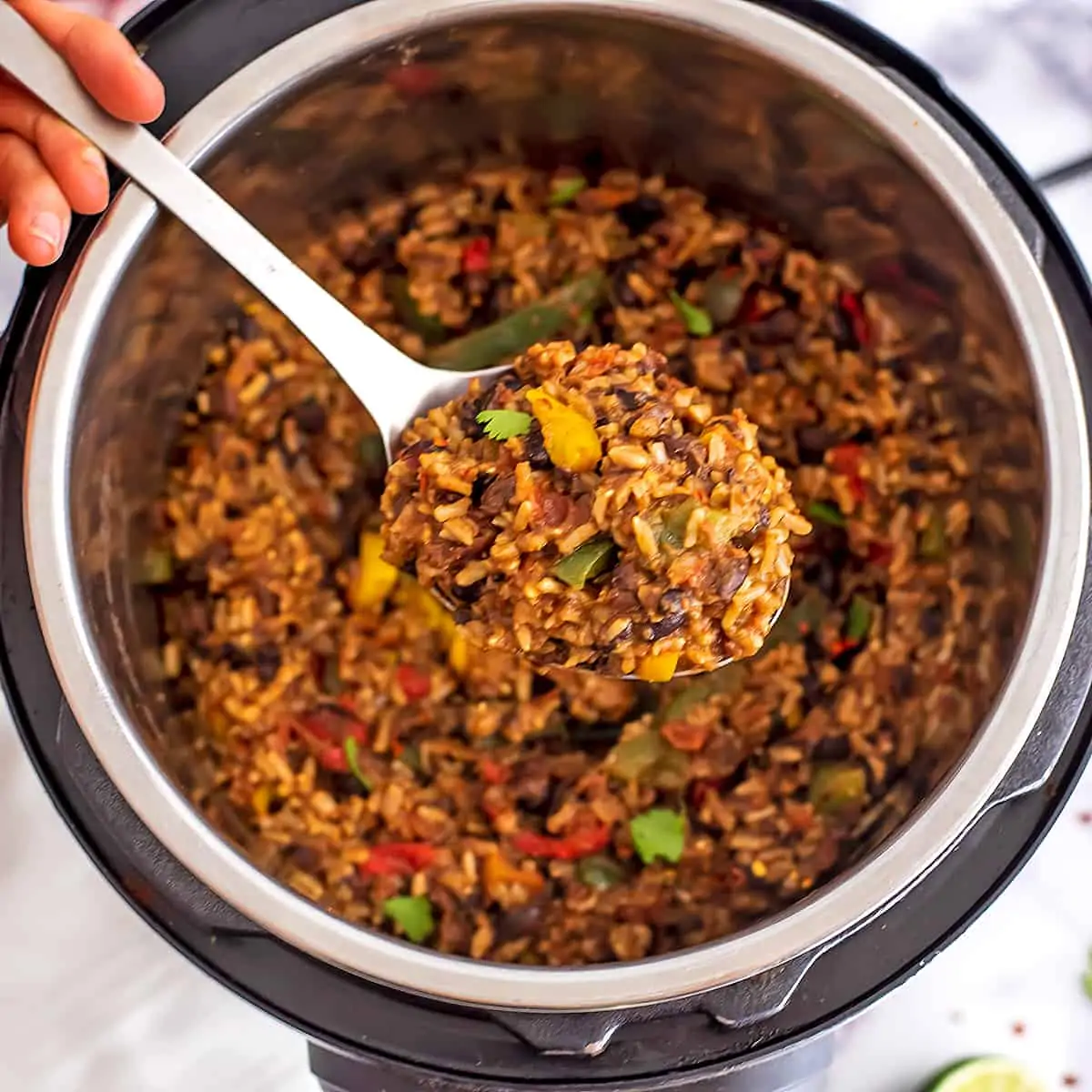
Instant pot filled with Mexican rice and beans, silver spoon taking a scoop.Instant pot filled with Mexican rice and beans, silver spoon taking a scoop.

Instant Pot Mexican Rice and Beans

Instant pot Mexican rice and beans is quick, easy and the perfect weeknight dinner recipe. This healthy meal is vegan, gluten free, dairy free and is great in tacos, burritos, burrito bowls, salads or over nachos.

Check out this recipe

How to Plant Tulip Bulbs for Stunning Spring Blooms?

0

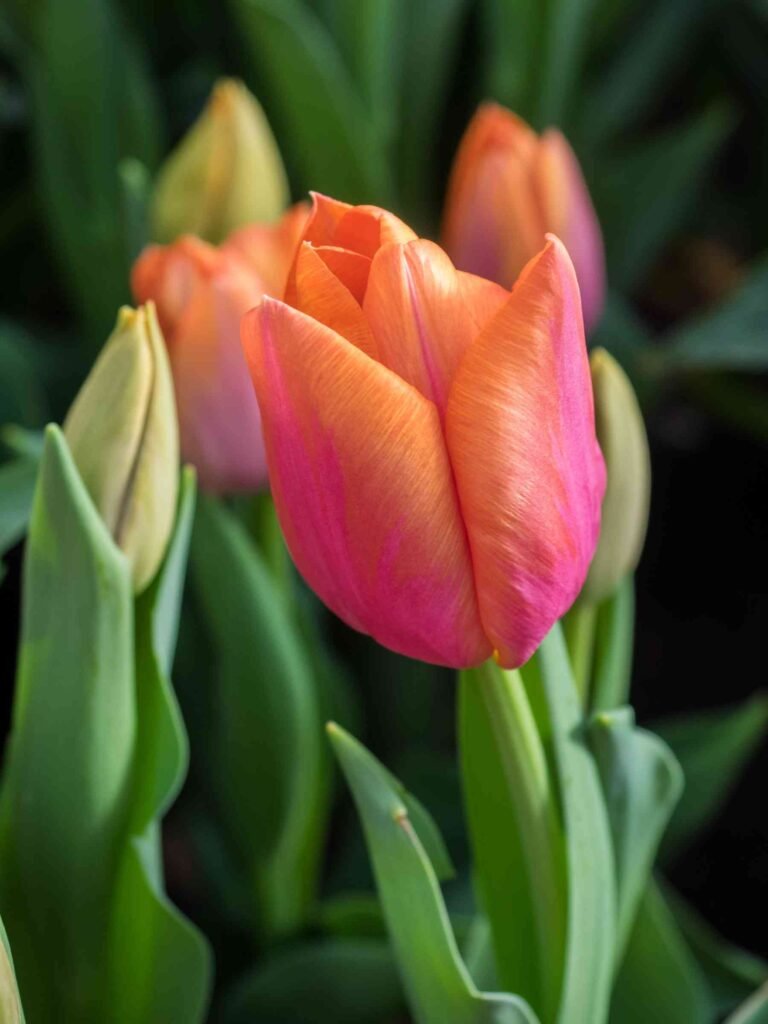
Planting tulip bulbs is an easy and rewarding process, but timing, technique, and care are crucial for success.

By understanding the right steps and providing the ideal growing conditions, you can ensure a spectacular display of tulips in your garden.

These iconic blooms have been cherished for centuries, symbolizing renewal and beauty. Whether you’re a seasoned gardener or just starting, planting tulip bulbs can be a rewarding experience.

This guide will take you through everything you need to know to grow breath-taking tulips, from selecting the perfect site to post-bloom care.

Planting tulip bulbs properly ensures a vibrant spring display. Start by choosing firm, high-quality bulbs and selecting a sunny, well-draining location.

Prepare the soil by loosening it to a depth of 12 inches and enriching it with compost or fertilizer.

Dig holes 6–8 inches deep, spacing bulbs 4–6 inches apart. Place each bulb with the pointed side up, cover with soil, and water lightly to settle them in.

Add mulch to retain moisture and insulate against cold temperatures. Protect bulbs from pests with netting or deterrents. With these simple steps, your tulips will burst into stunning blooms when spring arrives.

Growing Conditions of Tulips

Tulips are resilient and versatile, but they flourish best in specific conditions that mimic their native habitat. Here are the detailed growing requirements to help you achieve a stunning tulip display:

  • Sunlight: Tulips thrive in full sunlight, requiring at least 6–8 hours of direct light daily. While they can tolerate partial shade, the blooms may be smaller and less vibrant.
  • Soil Requirements: Well-drained soil is essential to prevent bulb rot. Tulips prefer sandy or loamy soil enriched with organic matter, with a slightly acidic to neutral pH range of 6.0–7.0.
  • Watering Needs: Tulips need moderate moisture but cannot tolerate soggy conditions. Ensure the soil stays moist but not waterlogged, particularly during their growing and blooming periods.
  • Temperature: Tulips require a chilling period to bloom, with bulbs needing 12–16 weeks of cold dormancy at temperatures between 35°F and 50°F. This makes them ideal for regions with cold winters and mild springs.
  • Humidity: These bulbs prefer low to moderate humidity. High humidity can encourage fungal diseases, so ensure proper air circulation if planting in humid climates.
  • Wind Protection: Tulips have tall stems that can be susceptible to wind damage. Plant them in sheltered locations or among sturdier plants to protect them from strong gusts.

Understanding and recreating these conditions in your garden will ensure your tulips bloom beautifully each spring.

Also Read: How Do I Get My Amaryllis to Bloom After It Grows Long Leaves?

When to Plant Tulips?

Timing is critical when planting tulip bulbs to ensure they receive the necessary chilling period and grow into stunning spring blooms.

Planting them too early or too late can affect their growth, flowering, and overall health. Here’s an in-depth guide to help you choose the best time to plant tulips:

Ideal Planting Season

The best time to plant tulip bulbs is in the fall, typically when soil temperatures have dropped to 40°F–50°F. This cooling period is essential for tulip bulbs to establish roots before winter dormancy.

For most gardeners in the United States, this means planting tulips between late September and mid-November, depending on your local climate and USDA hardiness zone.

By Hardiness Zone

  • Zones 3–5: In these colder regions, tulip bulbs should be planted from late September to early October. This timing allows the bulbs to establish roots before the first frost arrives.
  • Zones 6–7: Gardeners in these zones should plant tulip bulbs in October or early November. This gives the bulbs ample time to root while avoiding premature sprouting.
  • Zones 8–10: In warmer zones, tulips may require pre-chilling to mimic the cold conditions they need. Chill the bulbs in a refrigerator for 12–16 weeks before planting them in late November or early December.

Soil Temperature Monitoring

Tulips require cold soil temperatures to establish roots but should not be exposed to freezing soil at the time of planting.

Use a soil thermometer to ensure the temperature is consistently between 40°F and 50°F at a depth of 6 inches.

Planting too early in warm soil can lead to disease or premature growth, while planting too late risks insufficient root development.

Avoiding Early Planting

Planting tulips too early, when soil temperatures are still warm, can lead to bulb rot or premature sprouting.

This can result in weakened plants that may not bloom correctly. Always wait until the weather cools, and night time temperatures drop consistently to the 40s or lower.

Late Planting Tips

If you miss the ideal planting window, tulips can still be planted as long as the ground isn’t frozen.

Late-planted tulips may bloom slightly later in the season, but they can still produce beautiful flowers. Dig a hole deep enough to protect the bulbs from frost, and add a layer of mulch for insulation.

Consider Regional Weather Patterns

Weather conditions can vary widely even within the same hardiness zone. Monitor your local forecast and adjust your planting schedule accordingly.

For example, an unseasonably warm fall may delay the optimal planting time, while an early frost could require earlier planting.

Forcing Tulips Indoors

If outdoor planting isn’t feasible, tulips can be grown indoors through a process called forcing.

This involves chilling the bulbs in a refrigerator for 12–16 weeks, then planting them in pots for indoor blooming. This technique allows you to enjoy tulip blooms even in regions with unsuitable outdoor conditions.

By planting tulip bulbs at the right time in the fall, you set the stage for a spectacular spring display. Proper timing ensures the bulbs establish strong roots and undergo the natural processes needed to produce vibrant, healthy blooms.

Also Read: How Often to Water Christmas Cactus?

Best Potting Soil Mix for Tulips

Tulips thrive in well-draining, nutrient-rich soil that mimics their natural habitat. The right potting mix ensures healthy roots, prevents bulb rot, and promotes vibrant blooms. Here’s a guide to creating the perfect potting soil mix for tulips:

Key Characteristics of Ideal Soil for Tulips

  • Drainage: Tulip bulbs are prone to rot in waterlogged soil, so a well-draining mix is essential.
  • Nutrient Content: Tulips need a moderate amount of nutrients to support growth and flowering.
  • Texture: A light, crumbly soil texture allows roots to spread easily and absorb moisture efficiently.
  • pH Level: Tulips prefer a slightly acidic to neutral pH of 6.0–7.0 for optimal growth.

Recommended Potting Soil Mix Recipe

  1. Base Soil (40%): Use high-quality garden soil or commercial potting soil as the base.
  2. Sand (20%): Add coarse sand to improve drainage and aeration, ensuring the bulbs don’t sit in wet soil.
  3. Compost or Organic Matter (30%): Incorporate well-rotted compost, aged manure, or leaf mold to enrich the soil with nutrients.
  4. Perlite or Vermiculite (10%): Mix in perlite or vermiculite to enhance drainage and maintain soil aeration.

Amending the Soil

  • If your soil is heavy clay, add extra sand or grit to improve drainage.
  • For sandy soils, increase the organic matter content to retain moisture and nutrients.
  • Conduct a pH test and adjust as needed. Use lime to raise pH or sulfur to lower it.

Prepping the Potting Mix for Tulips

Before planting, moisten the potting mix slightly so it’s damp but not soggy. This helps settle the soil around the bulbs and encourages root growth.

Soil for Container-Grown Tulips

For tulips in pots, use the same mix but ensure the container has drainage holes. Layer the bottom with pebbles or broken pottery pieces to enhance drainage further.

By using the right potting soil mix, you can provide tulip bulbs with the ideal conditions for strong growth, preventing issues like rot or nutrient deficiencies. This mix ensures your tulips will bloom beautifully in spring, whether planted in the ground or containers.

How to Plant Tulips?

Planting tulip bulbs properly ensures they grow into vibrant, healthy flowers that brighten your garden in spring. Here’s a detailed step-by-step guide to planting tulips for stunning results.

Step 1: Choose Quality Bulbs

  • Select firm, large tulip bulbs free of soft spots, mold, or damage.
  • Bigger bulbs produce larger blooms, so invest in premium-quality ones for the best results.

Step 2: Pick the Perfect Location

  • Tulips thrive in full sun, so choose a spot that receives at least 6–8 hours of sunlight daily.
  • Ensure the soil drains well, as tulips dislike soggy conditions that can lead to bulb rot.
  • If planting in containers, ensure the pots have drainage holes to prevent waterlogging.

Step 3: Prepare the Soil

  • Loosen the soil to a depth of about 12 inches using a spade or garden fork.
  • Amend heavy clay soils with sand or compost to improve drainage.
  • Mix in a slow-release, balanced fertilizer or bone meal to provide nutrients for strong root development.

Step 4: Dig Planting Holes

  • Dig holes or trenches 6–8 inches deep for standard tulip varieties.
  • Space the bulbs about 4–6 inches apart to give them enough room to grow without crowding.
  • For a natural look, plant bulbs in clusters or irregular patterns rather than straight rows.

Step 5: Place the Bulbs Correctly

  • Place each bulb in the hole with the pointed end facing up. The flat, wider end is where roots will emerge.
  • Ensure the bulbs are sitting upright, as sideways or upside-down planting can hinder growth.

Step 6: Cover the Bulbs

  • Gently backfill the holes with soil, ensuring the bulbs are fully covered.
  • Pat the soil lightly to remove air pockets, but avoid compacting it too much.

Step 7: Water the Bulbs

  • Water the area immediately after planting to settle the soil and encourage root establishment.
  • Tulips don’t require excessive watering; only water if the fall season is unusually dry.

Step 8: Add Mulch

  • Apply a 2–3 inch layer of organic mulch, such as straw, bark chips, or shredded leaves, to insulate the soil.
  • Mulch helps maintain soil temperature, retain moisture, and protect the bulbs from extreme cold.

Step 9: Protect from Pests

  • To deter squirrels and other bulb-loving pests, cover the planting area with chicken wire or netting.
  • Consider sprinkling deterrents, such as crushed garlic or cayenne pepper, around the site.

Step 10: Mark the Planting Spot

  • Use plant markers or stakes to identify where your tulips are planted, especially in mixed beds.
  • This helps avoid accidentally digging up bulbs during future gardening activities.

Check this: How to Overwinter Hydrangeas?

Additional Tips for Mass Planting

  • If planting many bulbs, use a bulb planter or auger drill attachment to save time.
  • Group bulbs by color or height to create visually appealing arrangements.

By following these steps, you can ensure your tulip bulbs are set up for success, resulting in a spectacular display of blooms come springtime. Whether planting in garden beds or containers, the right preparation and care make all the difference!

Where to Plant Tulips?

The location plays a vital role in tulip success. Consider these options:

  • Garden Beds: Plant tulips in well-drained garden beds with full sun exposure. Use them as border plants or focal points.
  • Containers: Tulips thrive in pots, making them perfect for patios and balconies. Ensure the pot has drainage holes and is at least 10 inches deep.
  • Under Trees: Tulips can grow under deciduous trees, as the flowers will bloom before the trees fully leaf out in spring.

What To Do With Your Bulbs Once They Finish Blooming?

Once tulips finish blooming, they need care to ensure strong blooms the following year:

  1. Deadhead Spent Blooms
    Cut off the flower heads as soon as they fade to prevent the plant from wasting energy on seed production.
  2. Leave the Foliage
    Allow the leaves to yellow and wither naturally. This process helps the bulb store energy for next year’s bloom.
  3. Digging Up Bulbs (Optional)
    In warmer climates or areas with wet summers, dig up the bulbs once the foliage dies back. Store them in a cool, dry place until fall.

Growing Tips for Tulips

  • Rotate Locations: To prevent pests and diseases, avoid planting tulips in the same spot year after year.
  • Companion Planting: Pair tulips with daffodils or alliums to deter pests like rodents and deer.
  • Watering Tips: Water deeply during dry periods in fall and spring but avoid waterlogged conditions.
  • Fertilize Annually: Apply a low-nitrogen fertilizer, such as 5-10-10, in early spring as shoots emerge.

Also Read: 23 Best Winter Blooming Flowers for a Colourful Winter Garden

Conclusion

Planting tulip bulbs is an exciting and straightforward way to welcome spring into your garden.

By choosing the right location, preparing the soil, and following proper planting techniques, you’ll be rewarded with a breath-taking floral display.

With some post-bloom care and growing tips, you can enjoy these timeless blooms year after year. Start planting today, and let the magic of tulips transform your garden.

Serious Steel 41″ Assisted Pull-up Band, Heavy Duty Resistance Band Sets, Stretching, Powerlifting, Resistance Training and Pull Up Assistance Bands

0


Price: $119.90
(as of Feb 16, 2026 08:12:22 UTC – Details)


Thank you for viewing Serious Steel Resistance Bands. Please use our information and images above to select the best band for your fitness and exercise needs. Still not sure which band is best for you? Email us at Serious Steel Fitness and we will do our best to help you select the right size. Using bands for PULL-UPS? These bands are going to give you that extra amount of assistance to get you started completing pull-ups or will help you get that extra repetition you have been looking for. Using bands for RESISTANCE TRAINING? Serious Steel bands are easy to take anywhere for a workout anytime. With six different resistance levels, you are sure to find the ideal band for your exercise needs. Bands help stimulate and optimize your muscles with eccentric and concentric tension that is always changing. The kinetic energy generated using bands helps stimulate and strengthen the stabilizing muscles that are necessary for healthy joint function. Give the bands a try. If you are not happy with the product, don’t’ worry. We offer a 60-DAY RETURN POLICY. All orders come with a FREE Pull-up and Starter Band e-Guide*
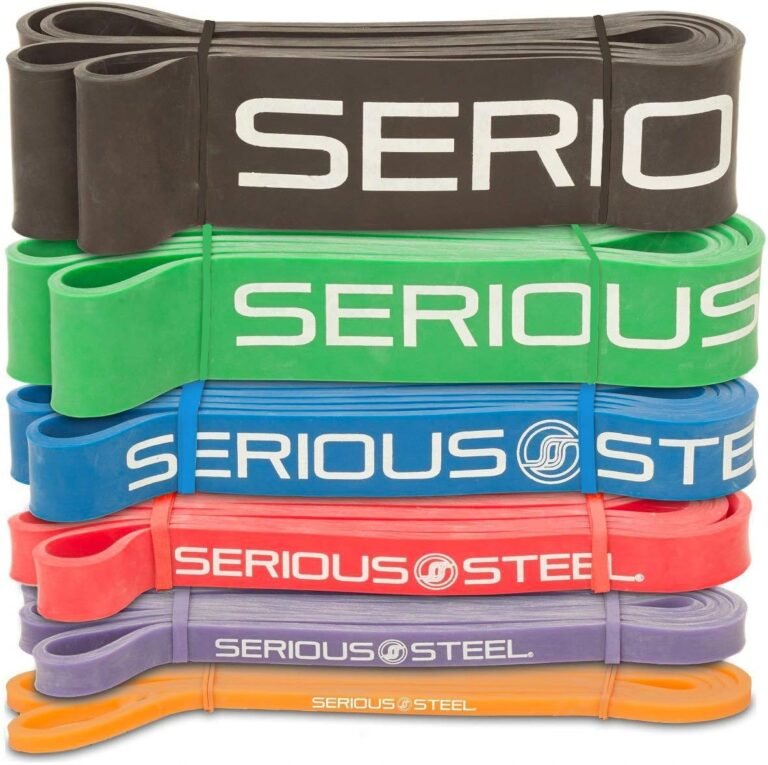
Sale is for our Complete Band Set (6 bands) – This set includes: #0 (2 lb. – 15 lb.), #1 (5 lb. – 35 lb.), #2 (10 lb. – 50 lb), #3 (25 lb. – 80 lb.), #4 (50 lb. – 120 lb.), & #5 (60 lb. – 150 lb.) bands.
Bands #0, #1, #2, #3 is best for general conditioning, rehabilitation, stretching, jumping, speed training, aerobics, and for lifters as assistance for the upper body to increase the resistance for bicep and triceps. Either band is great for beginners and light weightlifters.
Large bands (#4, #5) are usually used for obtaining maximum resistance with squats, deadlifts, leg presses and shrugs. All bands can be used to safely increase the intensity of a workout without adding additional weights to a bar. For the stronger lifter, they will add considerable resistance to bicep and tricep exercises. Bands #3 & #4 can be used by stronger benchers, and with exercises involving the lower body, calves, quads, hamstring and glutes.
Six sizes of bands for any use for any exercise. #0 Band 2.5 mm. 2-15 lbs, #1 Band 1/2″ x 4.5mm (5-35 lbs.), #2 Band 13/16″ x 4.5 mm (10-50 lbs.), #3 Band 1.125″ x 4.5 mm (25-80 lbs.), #4 Band 1.75″ x 4.5 mm (50-120 lbs.), #5 Band 2.5″ x 4.5 mm (60-150 lbs.)
Bands are 100% Natural Latex and are over 99.9% free of soluble proteins (latex allergens). If you have a sensitivity to latex, purchase and use this product with caution. Does not include colored storage rubber bands.