53.5 F
Klamath Falls
Sunday, March 15, 2026
Home Blog Page 61

How to Care Hibiscus Plant – An Ultimate Guide

0

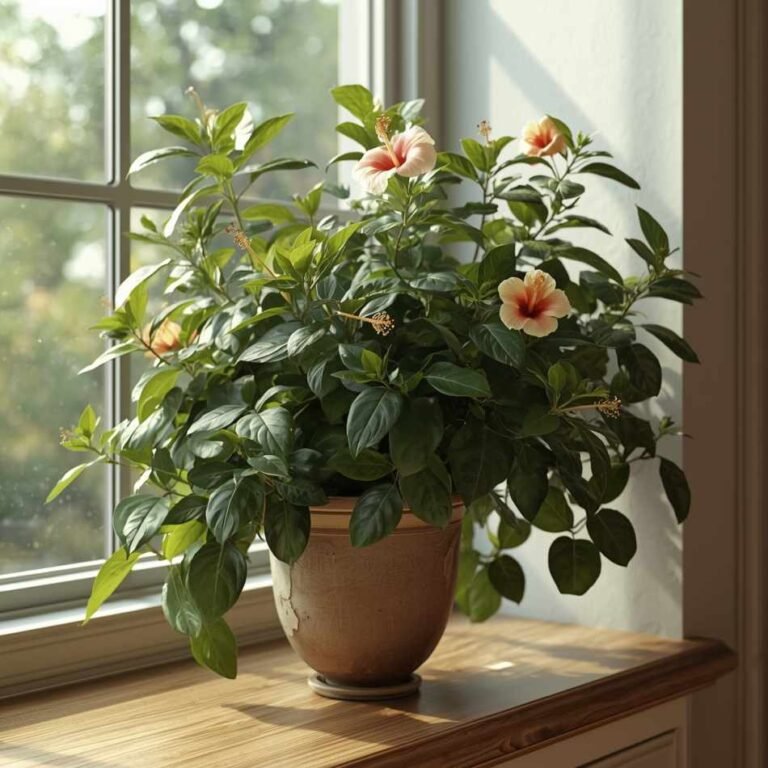
Hibiscus plant is prominently known for its beautiful flowers that come in variety of colours. You can successfully grow these plants indoors or outdoors, but with specific care.

Sunlight is the most important factor while growing hibiscus plant. Depending on the variety you choose to have, hibiscus plant needs adequate amount of light to thrive.

But, ensure the sunlight isn’t intense or it can burn the plant leaves.

Along with light, water and well-drained potting soil are essential for healthy hibiscus plant.

Timely pruning, regular fertilizing and halting pest infestation are also key factors for blooming hibiscus.

For a healthy and blooming hibiscus plant you should regulate watering and sunlight requirements according to climatic conditions in your region.

In this write-up you’ll learn ultimate hibiscus place caring tips. Prior to that let’s understand basic growing needs of this shrub.

Growing Requirements of Hibiscus Plant

Hibiscus is a tropical flowering shrub that demands specific growing conditions to produce vibrant blooms. Understanding these basic requirements ensures your plant stays healthy and flowers abundantly throughout the season.

Sunlight

Hibiscus thrives in bright, indirect sunlight for at least 6 hours daily. Morning sun is ideal as it’s gentle and promotes healthy growth without scorching the leaves. If you’re growing hibiscus indoors, place it near a south or east-facing window where it receives ample natural light.

Insufficient light leads to leggy growth and reduced flowering. However, intense afternoon sun can cause leaf burn and bud drop. In extremely hot climates, provide partial shade during peak hours to protect the plant from heat stress.

Soil

Well-draining, slightly acidic to neutral soil with pH 6.0-7.0 works best for hibiscus. Mix garden soil with compost, cocopeat, and perlite to create an ideal growing medium. The soil should retain moisture without becoming waterlogged.

Avoid heavy clay soil as it restricts root growth and causes drainage issues. Refresh the topsoil layer every few months with fresh compost to maintain nutrient levels. Good soil structure promotes strong root development and continuous blooming.

Watering

Consistent moisture is crucial for hibiscus, but overwatering can be fatal. Water deeply when the top inch of soil feels dry to touch. During summer months, you may need to water daily, while winter requires less frequent watering.

Always check soil moisture before watering to prevent root rot. Use room temperature water and ensure excess water drains out completely. Hibiscus leaves will droop when thirsty, signaling it’s time to water.

Temperature and Humidity

Hibiscus prefers warm temperatures between 15°C to 32°C. The plant is sensitive to frost and cold drafts, which can cause leaf drop and stunted growth. Maintain moderate to high humidity levels around 50-60% for optimal health.

In dry climates, mist the plant regularly or place a humidity tray nearby. Sudden temperature fluctuations stress the plant and affect flowering. Indoor hibiscus should be kept away from air conditioners and heating vents.

Fertilization

Feed hibiscus with a balanced liquid fertilizer every 2-3 weeks during the growing season. Choose a fertilizer higher in potassium to promote abundant blooms. Dilute the fertilizer to half strength to avoid burning the roots.

Reduce fertilization during winter when the plant’s growth slows down. Organic options like compost tea or fish emulsion work well for hibiscus. Regular feeding ensures continuous flowering and lush green foliage.

Also Read: How Big Do Hibiscus Plants Get?

How to Care for a Hibiscus Plant in a Container?

Container gardening makes it easy to grow hibiscus even in small spaces like balconies, terraces, or patios. With the right care, you can enjoy lush green foliage and tropical blooms year-round.

1. Selecting and Preparing the Cutting

Start with a healthy hibiscus cutting that has at least 2–3 nodes. Remove the lower leaves, keeping only a few at the top. Dip the cut end into rooting hormone powder to encourage faster and stronger root development.

2. Choosing the Right Potting Mix

Use a light, well-draining potting mix to prevent waterlogging. A good mixture includes:

  • 1 part cocopeat for moisture retention
  • 1 part perlite for aeration
  • 1 part compost for nutrients

Fill a small pot with this mix and water lightly to make it moist but not soggy.

3. Planting and Creating Humidity

Plant the prepared cutting into the soil and firm it gently to hold it upright. Cover the pot with a clear plastic bag or mini greenhouse cover to retain humidity — this helps prevent the cutting from drying out.

Place the pot in a spot with bright, indirect sunlight and maintain even moisture by misting when necessary.

4. Rooting and Early Growth

Roots usually form within 3–4 weeks. You can check by gently tugging the cutting — if it resists, it’s rooted. Once new leaves appear, gradually remove the plastic cover over a few days so the plant can adjust to normal air and light conditions.

5. Transplanting to a Larger Container

After successful rooting, transfer the young plant into a 12–14 inch container with good drainage holes. Use fresh potting soil enriched with compost.

Container hibiscus tends to dry out faster than ground-grown ones, so check soil moisture daily. Water deeply until it runs out from the bottom. In hot weather, watering twice a day may be necessary.

6. Sunlight and Placement

Place your container where the plant gets 5–6 hours of sunlight each day. Morning sunlight is ideal, followed by light afternoon shade to prevent leaf scorch.

Rotate the pot once a week so all sides receive equal sunlight, ensuring even, healthy growth.

7. Watering and Feeding

Keep the soil consistently moist but not waterlogged. Water thoroughly rather than frequently in small amounts.

Feed your hibiscus with a liquid fertilizer every two weeks during the growing season (spring through early fall). Choose a balanced or potassium-rich fertilizer to encourage flowering. Always water before fertilizing to protect the roots.

8. Repotting and Pruning

Repot your hibiscus once a year to refresh the soil and provide more room for root growth. Use slightly larger containers each time.

Regular pruning keeps the plant bushy and promotes more blooms. Trim long, leggy stems and remove faded flowers regularly. Pinching off tips can also encourage branching.

Check this: Do Hibiscus Plants Come Back Every Year?

9. Ongoing Care Tips

  • Protect the plant from strong winds or heavy rain.
  • Watch for pests like aphids or whiteflies; treat early with neem oil spray.
  • During winter, move the pot indoors or to a sheltered area if temperatures drop below 50°F (10°C).

How Do I Take Care of a Hibiscus Plant in Winter?

How Big Do Hibiscus Plants Get

Winter care for hibiscus depends on your climate zone. In mild winter regions, reduce watering frequency as the plant’s growth slows down.

Water only when soil feels dry 2 inches deep. Stop fertilizing completely during this dormant period to allow the plant to rest naturally.

If temperatures drop below 10°C, move container hibiscus indoors to a bright location.

Indoor heating can dry out the air, so increase humidity by misting leaves or using a humidifier.

Reduce watering but don’t let the soil dry out completely. Some leaf drop is normal during winter adjustment, but the plant will recover once spring arrives.

How to Winterize Hibiscus Plant?

bone meal for hibiscus plant

Winterizing hibiscus properly ensures the plant survives cold months and bounces back vigorously in spring.

Begin preparations in late autumn before the first frost hits your area. Start by inspecting the entire plant for pests and diseases. Treat any issues immediately as pests can multiply rapidly indoors.

Prune back the plant by one-third to reduce its size and remove weak or damaged branches. This helps the plant conserve energy during dormancy. Clean the pruning tools with rubbing alcohol between cuts to prevent disease spread.

For outdoor ground-planted hibiscus in cold regions, apply a thick layer of organic mulch around the base, covering the root zone completely.

Container hibiscus should be brought indoors before temperatures drop below 10°C.

Choose a bright spot near a window where the plant receives adequate light. Gradually reduce watering as growth slows, allowing the top 2-3 inches of soil to dry between waterings. Avoid placing the plant near cold drafts, heating vents, or radiators.

Check the plant weekly for spider mites and aphids, which thrive in dry indoor conditions. Wipe leaves with a damp cloth to remove dust and improve light absorption.

If natural light is insufficient, supplement with grow lights for 4-5 hours daily. Resume normal watering and fertilization in early spring when new growth appears and outdoor temperatures stabilize above 15°C.

Common Problems with Hibiscus Plant

  • Yellow leaves indicating overwatering, poor drainage, or nutrient deficiency
  • Flower buds dropping due to temperature stress, inconsistent watering, or pest damage
  • Wilting despite moist soil, suggesting root rot or fungal infection
  • Stunted growth caused by inadequate sunlight or compacted soil
  • Aphids clustering on new shoots and flower buds, sucking plant sap
  • Spider mites creating fine webbing on leaf undersides during dry conditions
  • White powdery coating on leaves indicating powdery mildew fungal disease
  • Brown leaf tips from low humidity, chlorinated water, or fertilizer burn
  • Lack of flowering due to insufficient light, over-fertilization, or excessive nitrogen
  • Root-bound plant showing slow growth and requiring immediate repotting

Conclusion

Caring for hibiscus successfully revolves around providing consistent sunlight, proper watering, and timely feeding. The plant rewards your efforts with stunning blooms when basic requirements are met. Regular monitoring helps catch problems early before they become severe.

Seasonal adjustments in care routine are essential for year-round health. Prune regularly to maintain shape, deadhead spent flowers to encourage new buds, and protect from extreme temperatures.

With attention to these key factors, your hibiscus will flourish beautifully season after season.

Roasted Carrots

0

Overhead view of a platter filled with freshly roasted carrots topped with fresh herbs and black pepper.Make perfectly roasted carrots with no added sugar – just one pan, simple ingredients, and naturally sweet, caramelized flavor in every bite.

Long and Short Fabric Resistance Bands with Door Anchor 7 PCS, Non-Slip Stretch Booty Bands for Working Out Women & Men, Loop Exercise Elastic Bands for Home Physical Therapy Yoga Pilates

0


Price: $29.97 - $25.97
(as of Nov 12, 2025 18:24:22 UTC – Details)


KANGFITER Long and Short Fabric Resistance Bands with Door Anchor 7 PCS, Non-Slip Stretch Booty Bands for Working Out Women & Men, Loop Exercise Elastic Bands for Home Physical Therapy Yoga Pilates
【HIGH-QUALITY FABRIC MATERIALS】: KANGFITER resistance bands are made of high-quality fabric materials with exquisite weaving techniques. Premium materials enhance the comfort and durability of the elastic exercise band, preventing it from breaking and rolling over during use.
【NON-SLIP AND DURABLE】: Fabric and elastic latex interweave technology prevents resistance bands from slipping during workouts. Inner latex increases the elasticity and durability of elastic band to avoid losing elasticity and tension after frequent stretching.
【3 RESISTANCE LEVELS】: 3 resistance levels meet the workout needs of both beginners and experienced athletes. Choose right exercise band according to your own strength and exercise goals at different stages. 3 levels workout bands are the same length, no need to adjust the range of body movement.
【MULTIPURPOSE】: Resistance bands can exercise arms, abdomen, buttocks and legs, help you shape a healthy and perfect body, increase muscle endurance and strength. Exercise bands are suitable for many workouts and activities including P90x, CrossFit, Yoga, Insanity, Pilates, Hot Yoga, and Beach Body workouts.
【PORTABLE AND ANYWHERE FITNESS】: KANGFITER resistance band comes with a handy carrying bag, making it easy to store and take with you. Whether you’re at home, in the gym, in the office or outdoors, you can exercise and shape yourself whenever you want.

Customers say

Customers find these resistance bands well-made, slip-resistant, and durable, with good grip that prevents them from rolling up or down. They work well for workouts, with one customer noting they can be used to progressively increase difficulty, and customers appreciate the nice colors and convenient carry bag. The stretchability receives mixed feedback, with some customers finding them stretchy while others note they’re not very stretchy. Customers disagree on the size options.

Many Medicare patients can’t get telehealth during the shutdown : Shots

0

Telehealth — seeing a doctor or nurse via a videoconference on your phone or computer — got a boost during the pandemic. Telehealth payments for people on Medicare are on hold during the shutdown.

Fotografía de eLuVe/Moment RF/Getty Images


hide caption

toggle caption

Fotografía de eLuVe/Moment RF/Getty Images

A few weeks ago, when Vicki Stearn, 68, tried to schedule a virtual visit with her doctor, she was told Medicare — at least temporarily — stopped paying for telehealth appointments when the government shut down. So Stearn was offered a choice: Make an in-person appointment, or pay out of pocket for telehealth.

“So I said, ‘OK, well, when can I get an in-person appointment?’ And it wouldn’t have been until December.”

So Stearn, who lives in Bethesda, Maryland, paid — hoping that when the government reopens, she’ll be reimbursed. But Stearn, who serves on the patient advisory council for Johns Hopkins Medicine, says the loss of telehealth services complicates life for almost everyone – from the working person to Stearn’s own 90-year-old mother, who hates traveling to and from the doctor.

“When I have a cold, do you really want me to go into the doctor’s office and confer with everybody else?” Strearn says. “There are just so many different reasons why telehealth is a good idea.”

‘A continual disaster for access’

The use of telehealth in Medicare began in earnest during the pandemic and quickly became popular. Nearly 7 million people on Medicare use telehealth services every year to see their doctors, but the federal shutdown put an abrupt halt on payments covering those services. Specifically, the temporary pandemic-era allowances that have been repeatedly renewed to enable payments, could no longer be reauthorized. Without that administrative approval, Medicare patients — and their doctors — have been left in a very complicated and confusing limbo.

“It’s a continual disaster for access,” says Kyle Zebley, senior vice president of public policy at the American Telemedicine Association.

Even large hospital systems, he says, do not have a large financial cushion to be able to continue offering services without government reimbursement. Plus, there is no clear guidance that providers will be reimbursed for telehealth services during the shutdown.

Hundreds of hospitals across the country have also suspended their investments in what’s often called “hospital at home” programs, which offer more elaborate remote monitoring and care that enable patients with more serious conditions to remain at home. Zebley says those patients have been discharged or checked into hospitals if they need continued care.

Zebley says this temporary halt to telehealth services is especially frustrating, because it is expected to return, eventually, and then hopefully made permanent. It’s convenient, efficient, and beloved across the political spectrum too, he says. “There’s broad-based bipartisan support from the furthest left member of the Democratic caucus, of the furthest right member of the Republican caucus – nobody is anything other than universally supportive of maintaining these services. And yet here we are.”

Different ways to deal with the interruption

In the meantime, doctors’ offices and hospitals must decide: Do they continue to offer services, float the cost, and hope to recoup payments from Medicare later? Or, do they halt services and require patients to come in, causing a potential backlog in appointments and forcing patients in rural areas to drive long distances?

Helen Hughes, a pediatrician and director of Johns Hopkins’ telehealth services, says every Medicare provider she’s spoken with seems to be taking a slightly different approach.

During the first two weeks of shutdown, the Hopkins network of hospitals and clinicians continued to offer telehealth appointments that were already on the books. They held off on billing Medicare, though, in the hopes that they’ll be reimbursed once the shutdown ends. “Our clinicians put a charge into our electronic health record, but we’re not sending them out to Medicare,” Hughes says.

But as the shutdown has dragged on and unpaid charges stacked up, Hughes and the hospital system switched course. On Oct. 16, they informed Medicare patients to schedule any new visits in person.

Hughes says, unfortunately, many of those getting called back into doctors’ offices are cancer patients, or people who received neurology treatments — conditions for which driving can pose real challenge and physical strain.

And pausing telehealth is not as simple as turning a switch on or off, says Hughes. In the years after the pandemic, Johns Hopkins set up a centralized hub of about 16 physicians who all work remotely — and therefore can see patients over longer hours, more days of the week, and a larger pool of patients, even in rural areas.

That team has continued to work, since it also sees patients with private health insurance.

But Hughes worries the halt in telehealth for Medicare will set back progress, saying that “in this confusing environment,” when patients try to “access this type of care, and can’t … we can lose the credibility that this is a stable type of care.”

Learn How to Grow and Care for Old Man Cactus

0

Old man cacti are low-maintenance, water-wise houseplants that make eye-catching stand-alone specimens.

They also play well with bromeliads and succulent species that share similar cultural requirements.

If you live in Zone 9 or 10, consider adding old man cactus to your xeriscaping design scheme outdoors.

How to Grow

In its native habitat and in outdoor gardens, C. senilis requires a full sun location and well-draining, sandy soil with a slightly acidic pH between 5.5 and 6.5.

We can mimic these cultural requirements indoors.

Choosing a Container

Start with a suitable pot.

The best container for a desert cactus is made from a porous material like unglazed clay, because this allows moisture to evaporate and prevents oversaturation. One or more drainage holes are essential.

The diameter should be one inch wider than the current size of the cactus.

It’s best to graduate pot sizes as needed rather than starting with an oversize pot because cacti roots prefer to be snug, and planting in too much soil can lead to inadvertent overwatering.

Soil

Along with an appropriate pot, you’ll need to purchase a good quality cactus and succulent potting medium like this one, available from Tank’s-Pro via Amazon in 16-quart bags.

Tank’s-Pro Cactus and Succulent Mix

Tank’s-Pro Cactus and Succulent Mix contains horticultural pumice, coconut husk chips, and organic compost to promote drainage and support nutrition.

We also have directions for making your own cactus potting soil.

As mentioned, when planting in the container of your choice, set the stem at the same depth as in the original container to reduce transplant stress and minimize the risk of rotting.

There should be at least half an inch of “head space” above the soil surface to permit watering without soil runoff.

Light

Choose a south-facing window for optimal daylight exposure – the better the light, the more abundant the hairy spines will be.

Temperature and Humidity

The ideal room temperature during the growing season is in the 65 to 85°F range.

If possible, relocate the pot to a setting with a temperature of 55 to 60°F during winter dormancy.

This desert species is accustomed to dry air, so the lower the humidity, the better.

If summer humidity is a problem in your home, consider running a dehumidifier along with your air conditioner to lower it.

Water

Water using the “dry and soak” method, allowing the soil to dry out completely before you give it a thorough soaking. Use a moisture meter as a guide.

A close up horizontal image of old man cactus growing in a pot with a moisture meter pushed into the soil.A close up horizontal image of old man cactus growing in a pot with a moisture meter pushed into the soil.

When watering, allow time for the pot to fully drain before returning to its permanent location. Keep the dish below the pot dry to avoid standing water that may result in rotting.

Water as needed during active growth and reduce watering during winter dormancy.

Fertilizing

Per the experts of the University of Minnesota Extension, cacti benefit from a dose of fertilizer in the late spring. A second dose in the summer is optional.

Use a half-strength liquid houseplant food formulated for cacti and succulents. It should contain more phosphorus than nitrogen in the N-P-K ratio.

Miracle-Gro Succulent Plant Food meets the above recommendations. It contains twice as much phosphorus (phosphate) as nitrogen and can be diluted with water.

Miracle-Gro Succulent Plant Food

Miracle-Gro Succulent Plant Food is available from Miracle-Gro via Amazon in a twin-pack of two eight-ounce bottles.

Where to Buy

The quickest way to get started is with a nursery-raised plant. You can generally find this species at nurseries that stock a good selection of succulents.

Start small, and increase the pot size as it matures. Remember to use a towel or gloves during transplanting to avoid being pricked by the spines.

Maintenance

Cacti generally require little maintenance. With this slow-growing species, you will rarely need to repot.

A close up horizontal image of old man cactus plants in pots at a nursery.A close up horizontal image of old man cactus plants in pots at a nursery.

However, if you see roots poking through the pot’s drainage hole, unpot the plant and check to see if the roots are bound or wound tightly around the plant with little visible soil.

When the roots are extremely dense, water penetration and nutrient uptake are poor.

While cacti prefer a tight fit, once the roots fill the pot, it’s best to go up one pot size and refresh the potting soil.

The best time to repot is during winter dormancy, as this causes less stress than it would during active growth.

Find more tips on repotting cactuses here.

Give your cactus a spring shampoo. Airborne dust, age, bugs, and soil splatter from repotting can discolor the radial spines, detracting from their luster. This is an optional task.

A close up horizontal image of an old man cactus plant (Cephalocereus senilis) growing indoors pictured on a soft focus background.A close up horizontal image of an old man cactus plant (Cephalocereus senilis) growing indoors pictured on a soft focus background.

Wear gloves and try not to squeeze the sharp central spines beneath the hair.

Add a drop or two of baby shampoo or other mild soap per cup of tepid tap water and mix.

Cut a hole an inch larger than the stem in a plastic food storage or grocery bag.

Bring the cut bag down over the stem all the way to the base to help retain the soil and keep it from becoming soapy during shampooing.

44 Sweet Potato Recipes

0

Overhead view of a bowl of Thai Peanut salad topped with fresh herbs and peanuts.Get our best sweet potato recipes all in one place. We have more than 40 healthy sweet potato recipes for breakfast, lunch, and dinner that are all nourishing, flavorful, made with wholesome ingredients.

THERABAND CLX Resistance Band with Loops, 5-Foot Non-Latex Exercise Band for Mobility, Rehab, Stretching & Home Workouts, Color-Coded Resistance Levels

0


Price: $14.58
(as of Nov 12, 2025 06:22:19 UTC – Details)


Universal resistance band perfect for athletes and fitness enthusiasts, provides multiple unique grip options to enable exercises like open and closed hand grips, holding objects with resistance, no-grip-required exercises
Enables never before possible workouts, such as simultaneous upper and lower body exercises and additional resistance for dumbbell training, all with the functionality and portability of a traditional resistance band
Non-Latex CLX with no scent and no powder meet the needs of athletes, gyms, patients, practitioners, and exercise professionals, and can even be used under water for aquatic workouts and hydrotherapy exercises
Free CLX App provides a CLX exclusive exercise library to enhance rehab or training program, allowing you to achieve a complete workout using the product at home, while traveling, in the gym or on-the-go
Extra Heavy Blue CLX are the fifth of eight levels of resistance and great for rehabilitation and moderate to high resistance exercise, they offer 5.8 lbs. resistance at 100% elongation and 8.6 lbs. at 200%

Customers say

Customers find the resistance band to be better quality than other stretchy bands and appreciate its versatility with multiple loops that can be used for different types of exercises. The band works well for various exercises, with one customer noting it’s particularly effective for shoulder rehabilitation. While customers consider it well worth the money, some find it comparatively expensive. The durability receives mixed feedback, with several customers reporting that the band eventually breaks or snaps after a while.

Resistance Bands with Handles for Working Out Women and Men, Exercise Bands with Door Anchor, Stretch Bands for Home Workouts, Simple Guide Included

0


Price: $9.95
(as of Nov 11, 2025 18:10:12 UTC – Details)

From the brand

Resistance Bands with HandlesResistance Bands with Handles

Our story begins with a simple belief: fitness should be accessible, effective, and professional, like a sharp-suited CEO running a boardroom. We embarked on a mission to create a resistance band that could stand the test of time, withstand the most intense workouts, and elevate your training to new heights.

Join Exercise Now

Resistance Bands with HandlesResistance Bands with Handles

Resistance Bands with HandlesResistance Bands with Handles

Resistance Bands with HandlesResistance Bands with Handles

Natural Rubber Exercise Bands Durability: Constructed from high-grade rubber, these resistance bands are your reliable workout partners. Their build is tailor-made to combat abrasion and tears, effortlessly standing up to the most demanding professional use. Count on these workout bands to accompany you through countless rigorous workouts.
Unleash Your Mobility: Our resistance bands are ingeniously crafted for swift and effortless mobility. Easily roll them up to fit snugly in your gym bag, suitcase, or even for quick on-the-go workouts during overnight trips. Whether you’re jet-setting or hitting the local gym, these exercise bands are your trusted companions.
Choose your preferred level of resistance: yellow (10 pounds), red (20 pounds), green (30 pounds), blue (40 pounds), and black (50 pounds). Our commitment to your success extends to the included simple instructions, single resistance bands with handles, a box and a door anchor, ensuring you have all the tools you need at your fingertips.
Pinnacle of Comfort: The sleeve padded handle of the exercise bands is the epitome of comfort and durability. Reinforced with metal grommet, the handle plug ensures these exercise bands with handles are dependable . Feel the difference as you grip your way to a fitter you.
Versatile Fitness Companion: No matter your fitness journey, these resistance bands with handles for working out men and women have you covered. From targeting specific muscle groups to enhancing group training sessions, Pilates, physical therapy, and rehabilitation, these stretch fitness bands seamlessly integrate into diverse fitness routines.
Uncompromising Performance: Crafted to professional-grade standards, our resistance bands are designed to withstand the rigors of commercial gyms and clubs. Imagine using them 100 times a day – that’s the level of durability we’re talking about. Unlike the average home gym equipment, these exercise bands resistance bands are built to last and elevate your fitness endeavors.

Customers say

Customers find these resistance bands work well for home fitness routines and appreciate their ease of use, with one noting they’re particularly effective for seated strength classes. The bands receive positive feedback for their quality, resistance, and workout value, with customers noting they’re easy to use with good exercise suggestions. While some customers find them well-built and consider them good value for money, others report durability issues with the bands breaking.

Sweet Potato Shepherd’s Pie Recipe (Family Favorite!)

0

One of our favorite cold-weather meals is classic shepherd’s pie. In this not-so-classic version, you get a big veggie boost from mashed sweet potato. It’s a delicious spin on traditional shepherd’s pie, especially if you’re making the switch from white potatoes (or if you just prefer the taste!).

Sweet Potato Shepherd’s Pie Recipe

You might be wondering if you can use sweet potatoes to make shepherd’s pie. While white potatoes are key in the traditional Irish dish, no one says you can’t use sweet potatoes! And really, our family prefers the taste. White potatoes or sweet potatoes aren’t any better, it’s really just about preference.

If you’re doing Whole 30, which doesn’t allow dairy (and favors sweet potatoes), then this version is easily adaptable. Not only is it healthy and easy, but it’s also paleo, gluten-free, and can easily be made dairy-free.

How to Make Sweet Potato Shepherd’s Pie

I’ve left the recipe for my shepherd’s pie pretty similar to most, but added kale for a little extra vegetable boost and swapped out the traditional with potatoes for sweet potatoes. This recipe is similar to my meatloaf cupcakes, but with more veggies.

To make the casserole, I brown the ground beef with seasonings, then stir in the diced vegetables, heat it up, and pour it into a casserole dish. I have this oven safe deep skillet that I use for both purposes and save myself a pan to wash.

While the meat is cooking I mash the sweet potatoes with butter and salt and smooth them on top of the meat and vegetable mixture when it is done. To save myself a little time, I usually make extra sweet potatoes with another meal earlier in the week then just pull them out of the fridge when I’m ready to use them.

Shepherd’s Pie Ingredients and Substitutions 

While I like the kale for extra nutrition, you can also leave it out if you just prefer to have mixed veggies. Or use another leafy green like spinach or chard instead. If you want to add even more flavor, add a splash of coconut aminos, Worcestershire sauce, or balsamic vinegar for extra depth.

Want to make it dairy-free? Use coconut oil instead of butter and skip the cream cheese. If you still want to make the sweet potato topping creamier, you can try adding a little coconut milk when mashing. And if dairy isn’t a concern at all, shepherd’s pie with cheese on top is also delicious!

I make this recipe with ground beef since it’s easy to get, but you could also use ground lamb for a more traditional taste. If you want a lower calorie or fat version, ground turkey works well. And while I’m not vegetarian, I’ve heard cooked lentils also work well instead of the ground meat. 

Quick Tips

To save time on the sweet potatoes you can bake them ahead of time. I’ll make some earlier on in the week and pull them out of the fridge when needed. You can bake them for about an hour until soft. For a faster version, boil diced sweet potatoes for about 10 minutes, drain, then use for this recipe. 

I’m big on meal prep and this is a great recipe to make ahead. You can even bake the ingredients in pint-sized mason jars for easy packable lunches!

Store any leftovers in the fridge for up to 4 days, or freeze for up to 3 months. To freeze, place the unbaked, layered, shepherd’s pie in a freezer safe container and wrap tightly. Let it thaw in the fridge before baking for 30 minutes at 350. I like doubling the recipe and freezing half for later. 

If you love sweet potatoes as much as we do, give this recipe a try!

Sweet Potato Shepherd’s Pie Recipe

This healthier take on shepherd’s pie features a creamy sweet potato topping. This is a family favorite at our house and my kids love helping make the layers.

  • Preheat the oven to 350°F

  • In a large skillet over medium heat, brown the meat.

  • Mix in 1 teaspoon of the salt and all remaining seasonings and transfer to a large bowl.

  • Saute the onion and kale in the skillet until slightly soft and add to the meat.

  • Pour the mixed vegetables into the skillet and heat on low heat. 

  • While the vegetables are heating, mash the cooked sweet potatoes with butter and the remaining 1/2 teaspoon salt until smooth. 

  • Add the mixed vegetables to the meat mixture, sprinkle the arrowroot on top, and stir to combine. 

  • Pour the meat/vegetable mixture into a 9×13 baking dish and spread in an even layer. Add the mashed sweet potatoes and smooth evenly over the top.

  • Bake at 350°F for approximately 30 minutes.

  • When done, top with a small dollop of cream cheese if desired and enjoy.

Nutrition Facts

Sweet Potato Shepherd’s Pie Recipe

Amount Per Serving (1 serving)

Calories 490
Calories from Fat 243

% Daily Value*

Fat 27g42%

Saturated Fat 14g88%

Trans Fat 1g

Polyunsaturated Fat 1g

Monounsaturated Fat 9g

Cholesterol 117mg39%

Sodium 793mg34%

Potassium 947mg27%

Carbohydrates 33g11%

Fiber 6g25%

Sugar 7g8%

Protein 28g56%

Vitamin A 20036IU401%

Vitamin C 23mg28%

Calcium 136mg14%

Iron 4mg22%

* Percent Daily Values are based on a 2000 calorie diet.

  • Store any leftovers in the fridge for up to 4 days, or freeze for up to 3 months. 

Is It Shepherd’s Pie or Cottage Pie?

Shepherd’s pie is Irish in origin and usually is made with ground lamb. Cottage pie is British and made with ground beef. However, most people don’t quibble over the small differences and use the terms interchangeably. Read more fun shepherd’s pie facts here.

Sweet Potatoes: Versatile, Healthy, and Delicious

My kids absolutely love sweet potatoes and happily eat them every way I fix them. Which is why I have such an extensive and creative collection of sweet potato recipes! Here are some others to try:

Ever make shepherd’s pie with sweet potatoes? How’d it turn out? Share below!

Lilies (with a Few Friends) in Lee’s Garden, Part 2

0

Hi GPODers!

If it’s a cold fall day where you’re located, let the chill slip away as we jump back into Lee’s summer garden in the Mohawk Valley of New York State. In case you missed it yesterday, go to Part 1 to get caught up, or keep on scrolling to see more of his incredible collection of lilies and the other colorful flowers that bloom alongside them.

Well, I do believe that summer is over, seeing that it’s now November 1. With that said, I’m going to drag us back into the warm summer for a few minutes. I hope that people won’t get too upset about leaving the wet and cold for a bit.

Even though I have a sizable property, I “labor” in thinking about what is next. Now in my seventh decade, after gardening for decades and decades, I think my additional plantings and extra flair items are starting to wane—not in spirit—just in actual additions. I’m dropping in five new lily bulbs soon, and that will be it for newbies next spring. I now will be counting much more on all of my previous seasons’ plantings to provide me with my spring and summer energy, color, and enjoyment. Not the worst thing in the world, I guess. . . .

We’re starting Part 2 off with a bang, thanks to these bold ‘Viva la Vida’ lilies (Lilium ‘Viva la Vida’, Zones 3–8). The high contrast of yellow and deep red make these blooms really pop against the bed of deep green foliage.

lilies next to garden sculptureAnother bold and vibrant cultivar, ‘Forever Susan’ lilies (L. ‘Forever Susan’, Zones 4–8) amps up the drama with dark burgundy—nearly black—petals accented in bright orange. It’s also the perfect companion for the dramatic garden statue in the background.

dark red liliesA closer look at the ‘Forever Susan’ lily gives a better view of its intense color gradient.

deep red lilies in foreground of gardenHowever, the lily’s striking blooms don’t need high contrast or interesting patterns to draw attention. Even among many other flowers and with a sun-soaked border just behind, this bright red cultivar easily steals focus.

yellow and white liliesLilies also don’t need to be boldly colored to make an impact. This creamy cultivar, potentially a variety called ‘Mister Cas’ (L. ‘Mister Cas’, Zones 3–8), creates a glowing moment in the garden.

light pink liliesAnd there’s this light pink cultivar, maybe ‘Pink Perfection’ (L. ‘Pink Perfection’, Zones 3–8), that is always a sweet color companion to greenery.

bright yellow daylilies in foreground of gardenIt’s clear that Lee likes it hot in the garden, with lots of red, yellow, and orange blooms on display. A bed full of bright yellow will always elicit a smile, especially when the centerpiece is a glorious yellow daylily like this one.

light pink lilies in foreground of gardenLastly, another light pink cultivar looks out on the rest of the garden. Lee has planted an amazing amount of color in his landscape, yet it all comes together cohesively.

Thank you so much for another incredible submission from your garden, Lee! Even without new additions, there would still be plenty to be excited about when this garden performance begins again in a new spring.

And I hope Lee has inspired you to consider sharing some highlights from your garden this summer. Maybe you collect a wonderful array of flowers, like Lee does, or perhaps you’re missing the greenery that makes your garden feel lush and alive. Consider scrolling through your garden photos and sharing some of your favorites with the blog. Follow the directions below to submit photos via email, or send me a DM on Instagram: @agirlherdogandtheroad.


We want to see YOUR garden!

Have photos to share? We’d love to see your garden, a particular collection of plants you love, or a wonderful garden you had the chance to visit!

To submit, send 5–10 photos to [email protected] along with some information about the plants in the pictures and where you took the photos. We’d love to hear where you are located, how long you’ve been gardening, successes you are proud of, failures you learned from, hopes for the future, favorite plants, or funny stories from your garden.

Have a mobile phone? Tag your photos on Facebook, Instagram, or Twitter with #FineGardening!

Do you receive the GPOD by email yet? Sign up here